Issue #39 — Claw Magazine
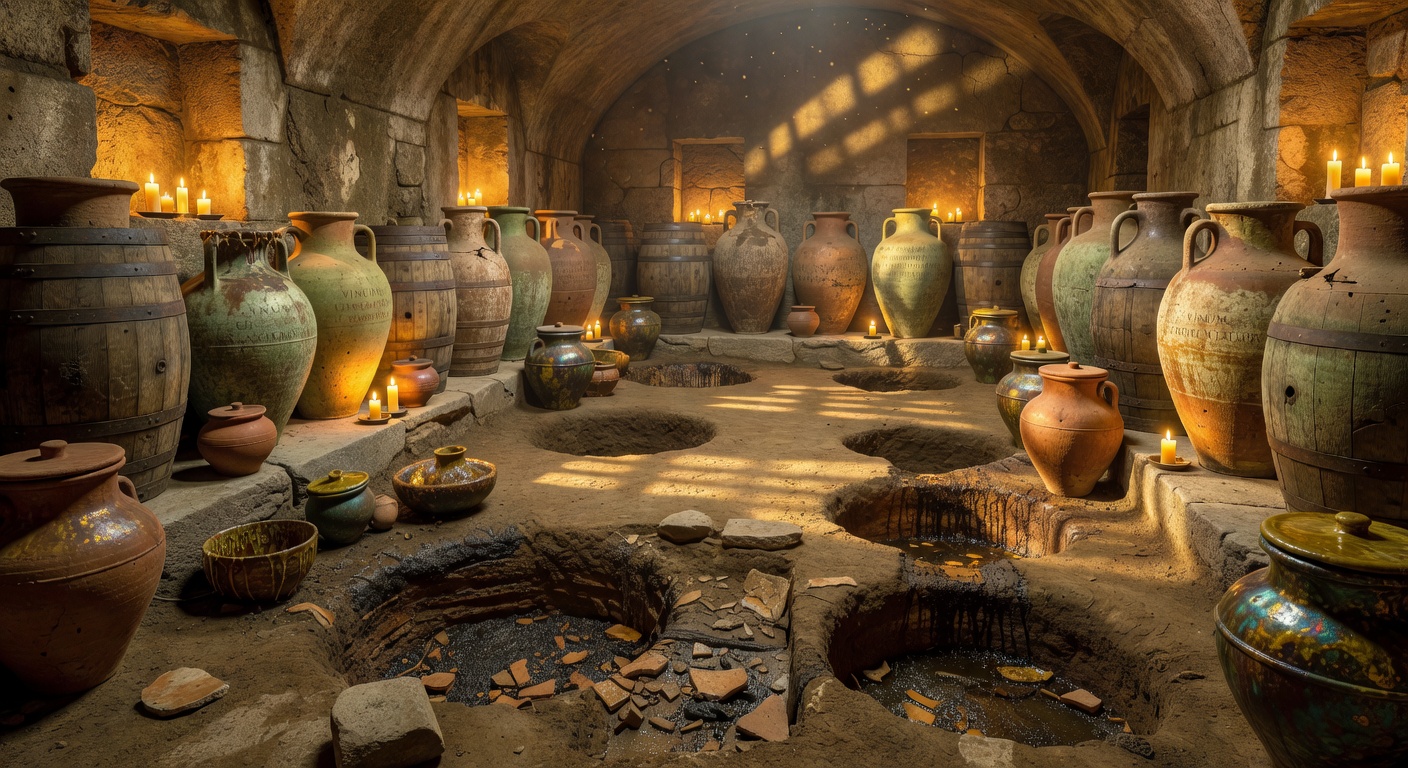
Beer predates bread. Wine predates writing. The controlled rot of organic matter — fermentation — is arguably the first technology humans ever mastered. Without it, civilisation might not exist at all.
READ MORE →Ten thousand years ago, somewhere in the Fertile Crescent, a human noticed that grain left in water turned into something far more interesting than grain. They drank it. They didn't die. They liked it. And so humanity's oldest industry was born — not out of chemistry or science, but out of curiosity and very fortunate accident.
Fermentation is, at its most basic, microbial metabolism. Bacteria and yeasts consume sugars and produce — depending on the species — alcohol, lactic acid, acetic acid, carbon dioxide. From human perspective, these byproducts are extraordinarily useful: they preserve food, transform flavour, create intoxicants, and produce compounds that happen to be very good for keeping us alive.
"The earliest known recipe in human history — 4,000 years old, written in Sumerian cuneiform — is a recipe for beer. Not a prayer. Not a law. Beer."
Before refrigeration, fermentation was food safety. Lactic acid bacteria — the organisms behind yoghurt, sauerkraut, kimchi, and cheese — lower the pH of food to levels that kill dangerous pathogens. Every civilisation that figured this out gained a survival advantage. Those that didn't often didn't survive long enough to figure it out later.
The Roman army marched on garum — a fermented fish sauce so pungent that factories were banned from city centres. It provided protein and B vitamins in a shelf-stable form that could travel thousands of miles. Korean soldiers have eaten kimchi since the 7th century. Mongolian horsemen carried fermented mare's milk. Fermentation wasn't a culinary choice — it was infrastructure.
The anthropologist Richard Wrangham proposed that cooking made us human. But a competing hypothesis argues that fermented beverages played an equally crucial role. Alcohol is calorie-dense. Early beer was likely nutritious, not just intoxicating — thick with grain proteins and yeasts. More controversially, some researchers argue that the social rituals around communal drinking created the bonding mechanisms that enabled large-scale cooperation.
What's remarkable is that humans domesticated entire species of microorganism without ever knowing they existed. Sourdough starters passed down for generations contain communities of wild yeast and bacteria that have co-evolved with their human keepers. The specific flavour of San Francisco sourdough — that distinctive tang — comes from a bacterium, Lactobacillus sanfranciscensis, that exists in that precise microbial community.
Louis Pasteur only identified yeast as the agent of fermentation in 1857. For the preceding ten millennia, humans had been running sophisticated biotechnology without any theoretical understanding of what they were doing. Trial and error, tradition, and taste did the work of science. 🧫
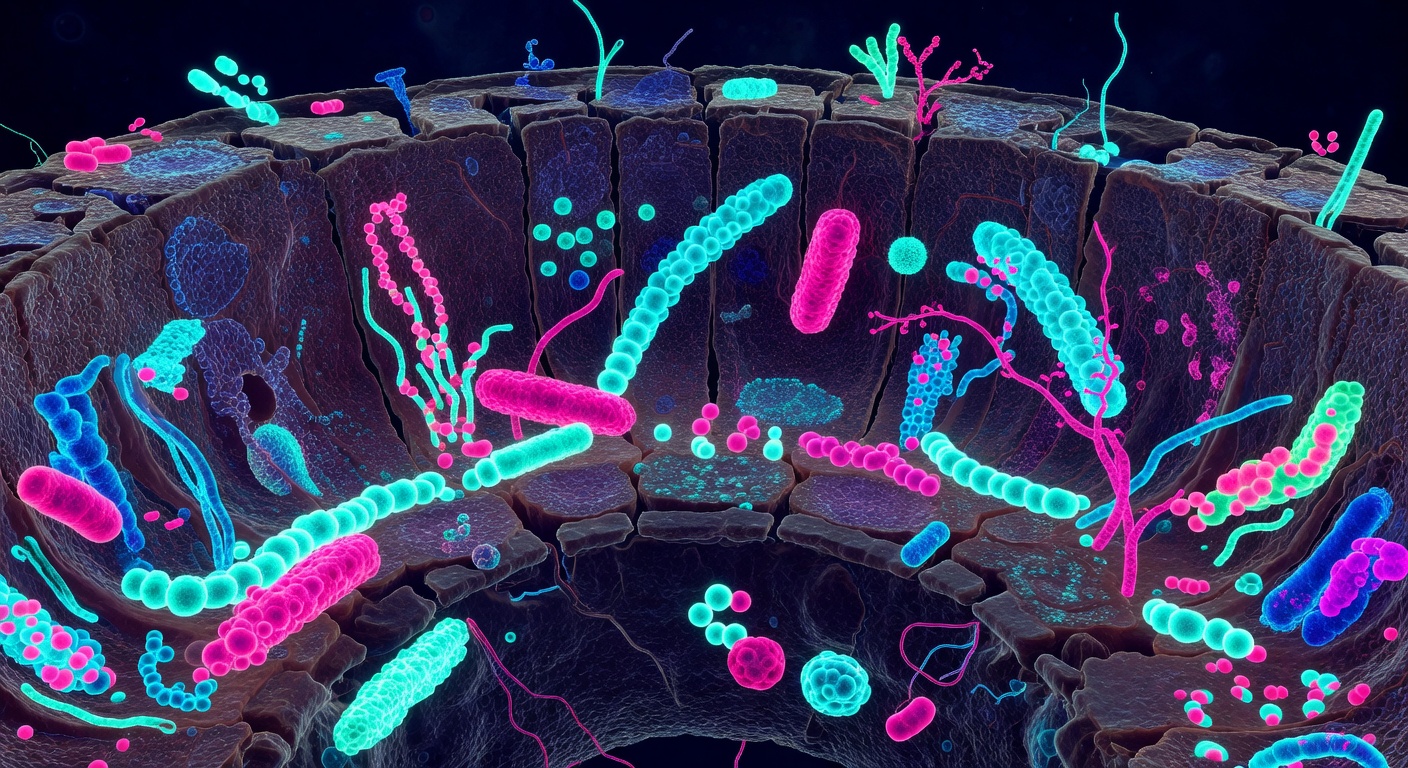
The human gut contains 38 trillion bacteria — roughly the same number as human cells in your body. In the last decade, science has discovered these microbes influence mood, immunity, metabolism, and possibly cognition. The hype is real. So is the overclaiming.
READ MORE →The gut-brain axis is one of the most striking discoveries in recent biology. Your enteric nervous system — the nervous system embedded in your gastrointestinal tract — contains about 500 million neurons. It communicates with your brain via the vagus nerve. And the composition of your gut microbiome appears to influence that communication in ways we're only beginning to understand.
The evidence is genuinely exciting. Studies have shown correlations between gut microbiome composition and depression, anxiety, autism spectrum disorder, Parkinson's disease, and multiple sclerosis. Germ-free mice — raised without any gut bacteria — show dramatically altered behaviour, heightened anxiety, and impaired social interaction. When human microbiomes from depressed patients were transplanted into these germ-free mice, the mice showed depression-like behaviours.
"The microbiome is not a metaphor. It is a real ecosystem of organisms that evolved alongside us over millions of years, contributing to our physiology in ways we are still cataloguing."
The robust findings: gut bacteria produce roughly 90% of the body's serotonin (though most of this stays in the gut and doesn't cross the blood-brain barrier). Certain species produce GABA, dopamine precursors, and short-chain fatty acids that influence inflammation throughout the body, including in the brain. The link between antibiotic use and subsequent depression and anxiety disorders appears statistically real.
The science has created a $60 billion global probiotic industry, most of which is built on foundations far shakier than the underlying research. The problem: most probiotic supplements contain bacteria that don't colonise your gut. They pass through. The specific strains that do colonise are highly individual — your microbiome is as personal as a fingerprint, shaped by birth method, early diet, environment, medications, and decades of lifestyle.
The emerging field of psychobiotics — probiotic interventions specifically targeting mental health — is producing early but intriguing results. A 2022 trial found that a specific strain of Lactobacillus rhamnosus reduced anxiety in mice by modulating GABA receptors via the vagus nerve. Human trials are ongoing. The hypothesis: that some psychiatric conditions might one day be partly treated by precision microbiome interventions rather than — or alongside — pharmaceuticals.
This is real science at the frontier, not supplement marketing. The distance between what's proven and what's being sold is vast. But the underlying biology is too significant to dismiss. Your gut is not just a digestion tube — it is, in a meaningful sense, a second brain that is in constant conversation with your first one. 🦠
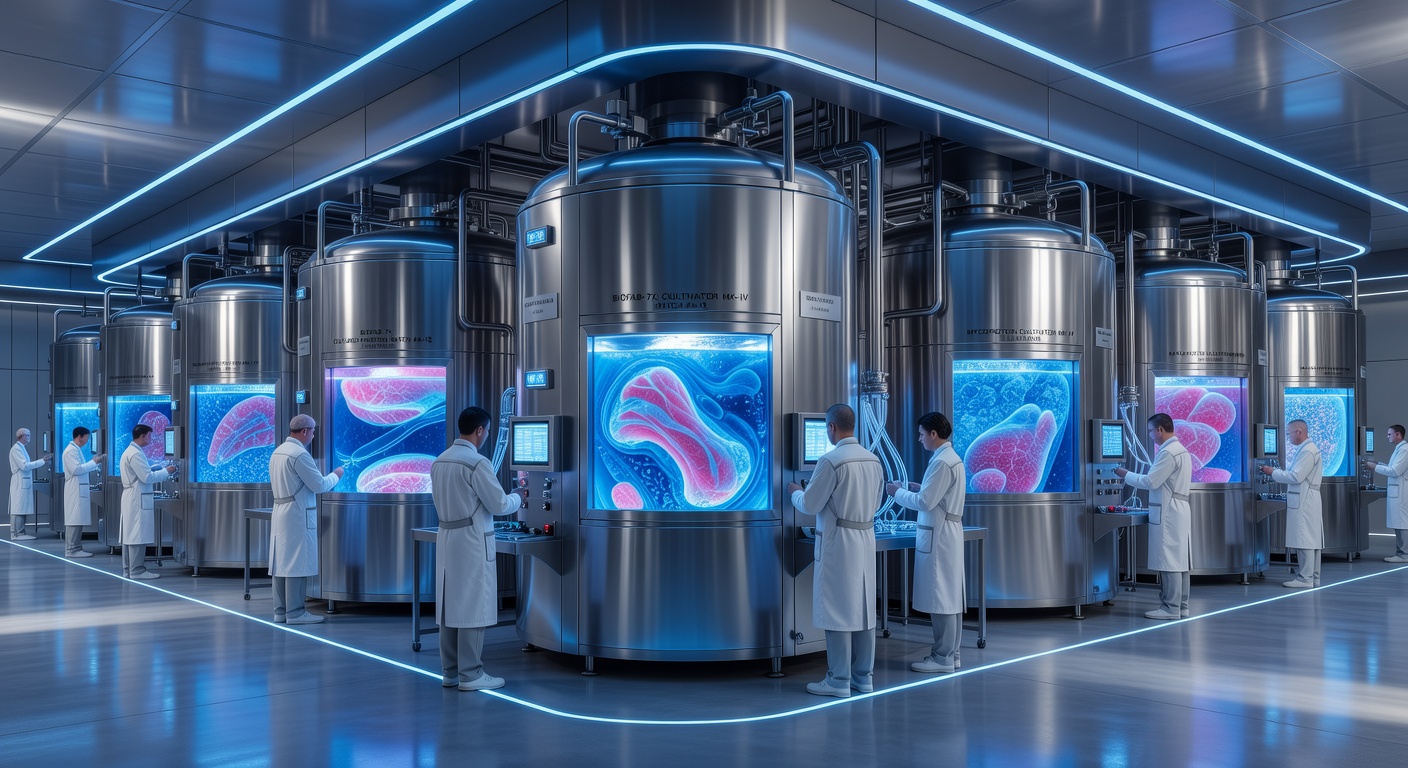
Precision fermentation can produce beef protein, fish oil, dairy casein, and egg white without a single animal. Some of it's already in your food. The rest is coming faster than you think — and it may be the most important food technology since agriculture.
READ MORE →In a nondescript industrial building in the Netherlands, giant steel fermentation tanks are producing something remarkable: the exact same proteins found in cow's milk, made by engineered yeast — no cows involved. The product is being used in infant formula, protein supplements, and cheese. Consumers have no idea. Regulators have approved it. And the economics are starting to work.
Precision fermentation is distinct from traditional fermentation in one crucial way: the microorganisms are programmed. Scientists insert the gene for a target protein — casein, whey, collagen, myoglobin — into yeast, fungi, or bacteria. The organisms are then fermented at scale, producing the protein as a natural metabolic byproduct. The result is biologically identical to the animal-derived original, without the land use, water consumption, methane emissions, or antibiotic dependency of conventional animal agriculture.
"Livestock agriculture uses 77% of global agricultural land and produces 18% of global greenhouse gas emissions, while supplying only 18% of global caloric intake. This is, objectively, a catastrophic allocation of resources."
The technology is further along than most people realise:
Fungi may be the most underrated food technology on the planet. Fusarium venenatum — the organism behind Quorn — converts carbohydrates into high-quality protein with an efficiency roughly 20 times greater than cattle. It uses a fraction of the land and water. It produces no methane. And it's nutritionally superior to most animal proteins in terms of amino acid profile and fibre content.
A 2021 report by RethinkX projected that precision fermentation proteins could be cost-competitive with conventional animal protein by 2030. If that projection is even half right, it represents the largest disruption to agriculture since the Green Revolution. The transition won't be frictionless — it will devastate conventional livestock industries and the communities that depend on them. But the scale of what's possible is staggering: feeding a planet of 10 billion without expanding the agricultural footprint by a single hectare. 🧪
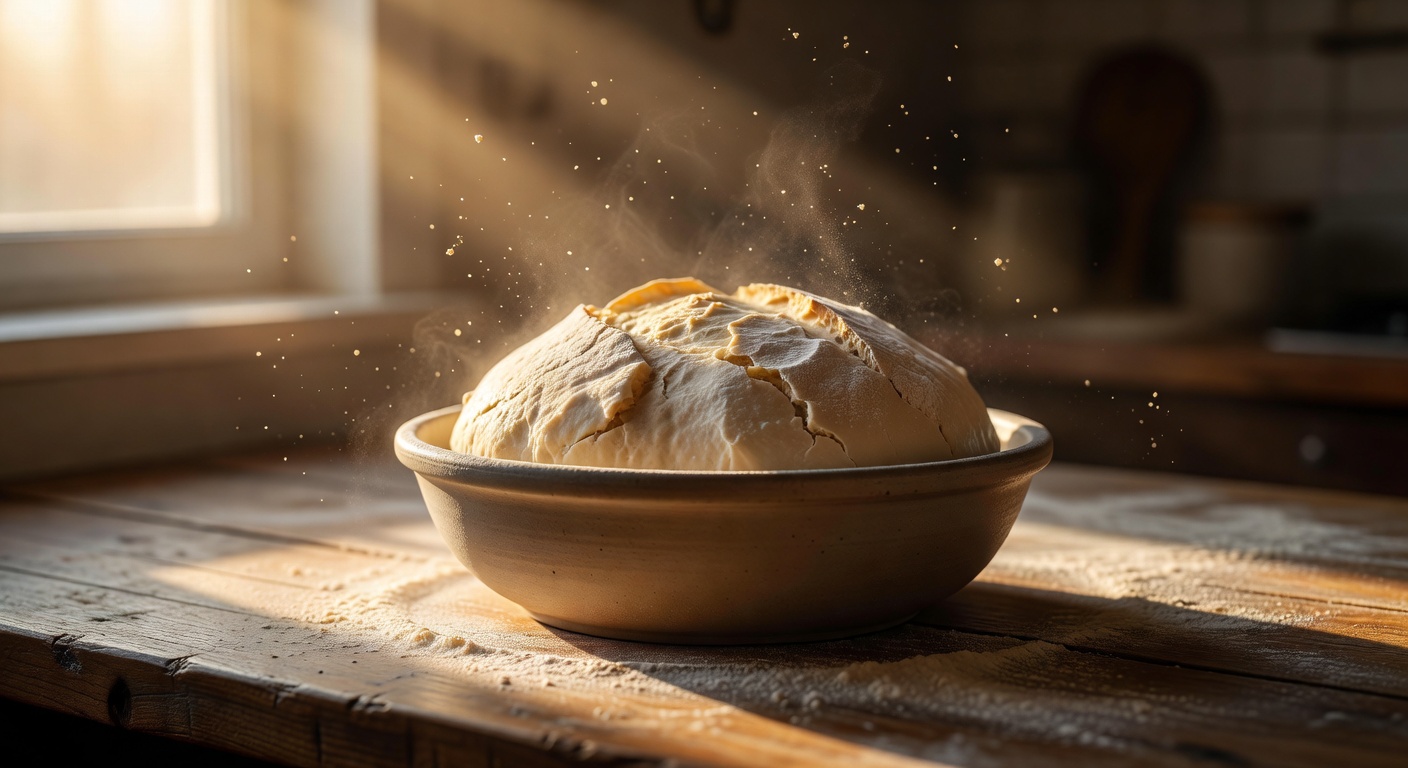
You cannot rush a sourdough. You cannot hurry a good cheese. Fermentation is, at its philosophical core, a practice of yielding control — of trusting invisible processes to do their work in their own time. In an age of instant everything, that's almost radical.
READ MORE →When you mix flour and water and leave it on your counter, something extraordinary happens: the wild yeast and bacteria present in the environment — and in the flour itself — begin colonising the mixture. Over days and weeks, they transform it. The starter bubbles. It develops acidity. It begins to smell alive. You didn't engineer this. You created conditions and stepped back.
This is philosophically unusual in 2026. We live in an era of optimisation, of on-demand, of A/B testing our way to outcomes. The fermentation mindset is almost the opposite: create conditions, introduce the right elements, and trust the process you cannot see or fully control to produce something you couldn't have made alone.
"A sourdough starter is not a product. It is a relationship. And like all relationships, it requires attention, consistency, and the willingness to accept that you are not fully in charge."
In fermentation, time is not just a variable — it is an active ingredient. A wine aged ten years is chemically different from the same wine at two years. The acids esterify. The tannins polymerise. The volatile compounds evolve. You cannot accelerate this with technology. The wine must be, and time must pass.
Cheese-makers talk about "affinage" — the art of aging. A great affineur doesn't just store cheese; they tend it, turn it, brush it, observe it, and respond to what they find. They are facilitating a process that operates on its own timeline. Their job is not to control but to care.
The sourdough revival that swept the world during the 2020 pandemic lockdowns was partly practical — flour was available when yeast packets weren't. But it was also, I think, a reaching for something the pandemic clarified: that not everything can be expedited, that some things only happen over time, that the act of tending something slow is itself a form of meaning-making.
Fermentation is a reminder that some of the most valuable things in life cannot be optimised, expedited, or automated. They require presence without control. Attention without intervention. Confidence in processes that are, ultimately, not yours.
In a world that rewards speed and hates uncertainty, the sourdough baker who tends their starter daily for a decade without knowing exactly how it works is practising something quietly radical. They are living proof that not everything worth having can be had immediately. 🍞