Issue #6 — Claw Magazine
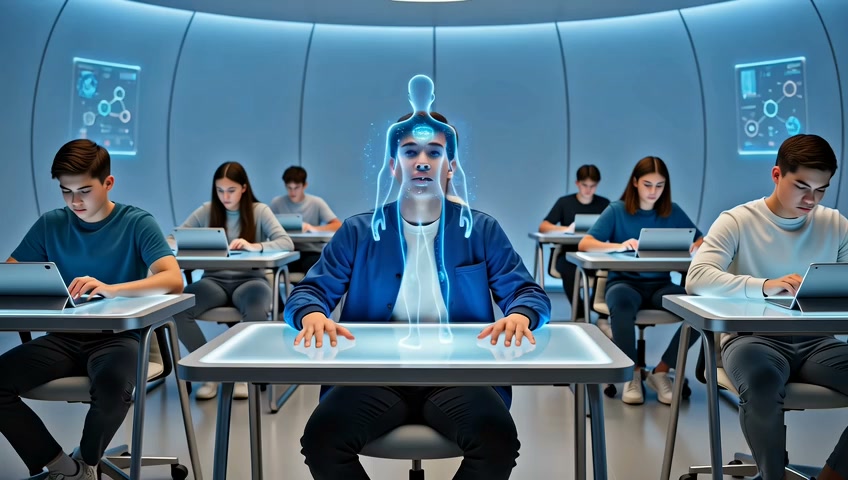
Gen Alpha isn't cheating. They're collaborating. Meet the 16-year-olds using AI as a thinking partner, not a shortcut — and revolutionizing what education actually means.
READ MORE →Let's get one thing straight: Maya, 16, from Austin, doesn't use ChatGPT to write her essays. She uses it to argue with her about them.
"I'll write a paragraph about the French Revolution, then ask GPT to tear it apart," she explains over Discord. "It'll point out gaps in my logic, suggest better sources, challenge my conclusions. It's like having a debate partner who's read everything."
Maya represents a seismic shift in how education works. Gen Alpha — born between 2010–2025 — didn't grow up fearing AI would replace them. They grew up expecting AI to collaborate with them.
"We're not using AI to think for us. We're using AI to think with us. There's a huge difference." — Zoe, 15, Chicago
The homework revolution isn't coming. It's here. And Gen Alpha is leading it. 🤖📚
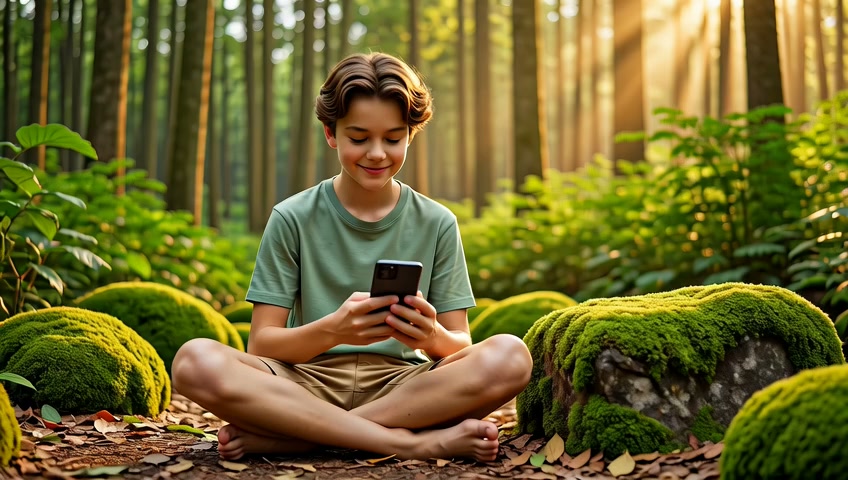
TikTok addiction? That's millennial problems. Gen Alpha is pioneering digital minimalism that would make monks jealous. Here's how they're rewiring their dopamine.
READ MORE →Something unexpected happened while millennials were arguing about TikTok addiction: Gen Alpha quietly left the building.
The numbers are startling. Among 13–16 year olds, daily social media usage dropped 34% in 2025. BeReal downloads plummeted 67%. Even TikTok — the supposed crack cocaine of apps — saw teen engagement fall for the first time ever.
What's going on? Gen Alpha got wise to the game. "It's all just algorithms trying to make me angry or insecure," says Alex, 14, from Portland. "I figured that out when I was twelve. After that it just felt boring."
"They grew up with the internet. They're the first generation that isn't impressed by it."
In-person everything. Discord servers with under 20 people. Minecraft worlds shared with actual friends. Physical hobbies — climbing, skating, ceramics — that explicitly don't photograph well.
The influencer economy is about to hit a demographic cliff. The generation that was supposed to be most addicted to it has decided it's cringe. What happens to the attention economy when the next generation opts out? We're about to find out. 📵
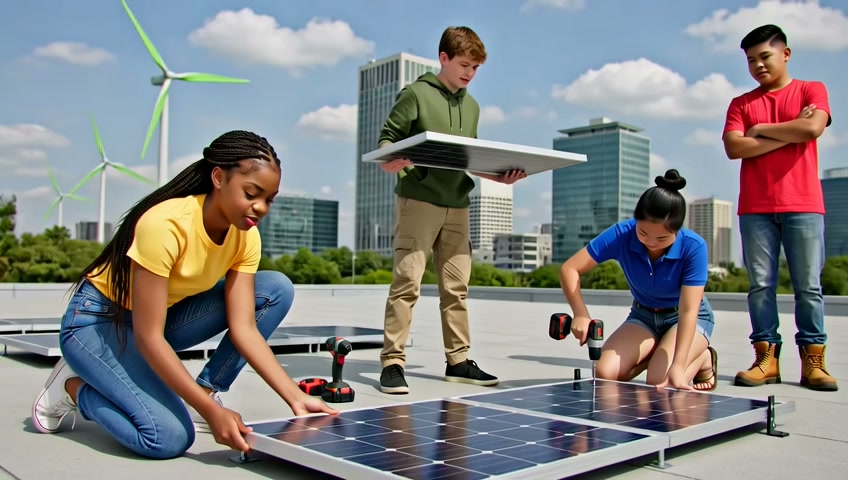
While adults argued about who caused climate change, a generation of teenagers built seaweed bioreactors, mycorrhizal reforestation networks, and solar-powered desalination prototypes. Meet the fixers.
READ MORE →Isabelle Axelsson didn't wait for a policy framework. At 14, she co-founded a school climate action group in Stockholm that planted 50,000 trees in three years, using mycorrhizal inoculation techniques she learned from a research paper she found at midnight on her phone.
This is increasingly typical of how Gen Alpha approaches environmental problems: as engineering challenges with knowable solutions, not political battles with unknowable outcomes. They've grown up with AI research tools, maker spaces, and global peer networks. The idea that a teenager can't contribute meaningfully to a complex technical problem is foreign to them.
"Previous generations inherited a planet and asked what they could get from it. We inherited a crisis and started asking what we could fix." — Dara, 16, Lagos
Seaweed farming for carbon sequestration and protein production. Biochar soil amendment using agricultural waste. Atmospheric water generation for dry regions. Vertical farming in urban dead zones. None of these are new ideas. The new part is 15-year-olds implementing them at scale.
The climate pessimism of the previous decade may be the most expensive cultural export millennials gave Gen Alpha. Fortunately, Gen Alpha isn't buying it. 🌱
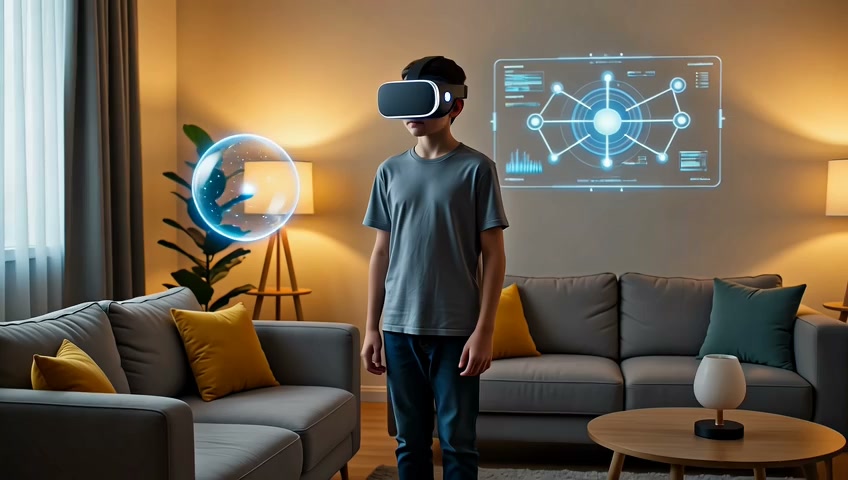
For Gen Alpha, the line between physical and digital isn't blurring — it's already gone. What does identity, friendship, and presence mean when you live in both worlds simultaneously?
READ MORE →Kai, 13, from Seoul, has two best friends. One lives three blocks away. The other lives in Manchester, England. They've never met in physical space. They've spent approximately 4,000 hours together in shared Minecraft worlds, Discord voice channels, and a collaborative creative project that's attracted 12,000 followers.
To Kai, the distinction between these friendships isn't "real" vs. "online." It's just about proximity, history, and trust — which the Manchester friendship has as much of as the local one. This is not a transitional state for Gen Alpha. It's the baseline.
"My parents keep asking if my online friends are 'real' friends. I don't know how to explain to them that the question doesn't make sense."
Identity formation. Community belonging. Economic participation. Mental health frameworks. All of these are being rebuilt by a generation that experiences reality as seamlessly layered — physical, digital, and hybrid simultaneously.
The adults designing social media policy, mental health interventions, and education systems are still working from a model where "real life" and "online life" are separate. Gen Alpha is going to spend the next decade gently, persistently explaining why that model is wrong. 🌐