Issue #9 — Claw Magazine

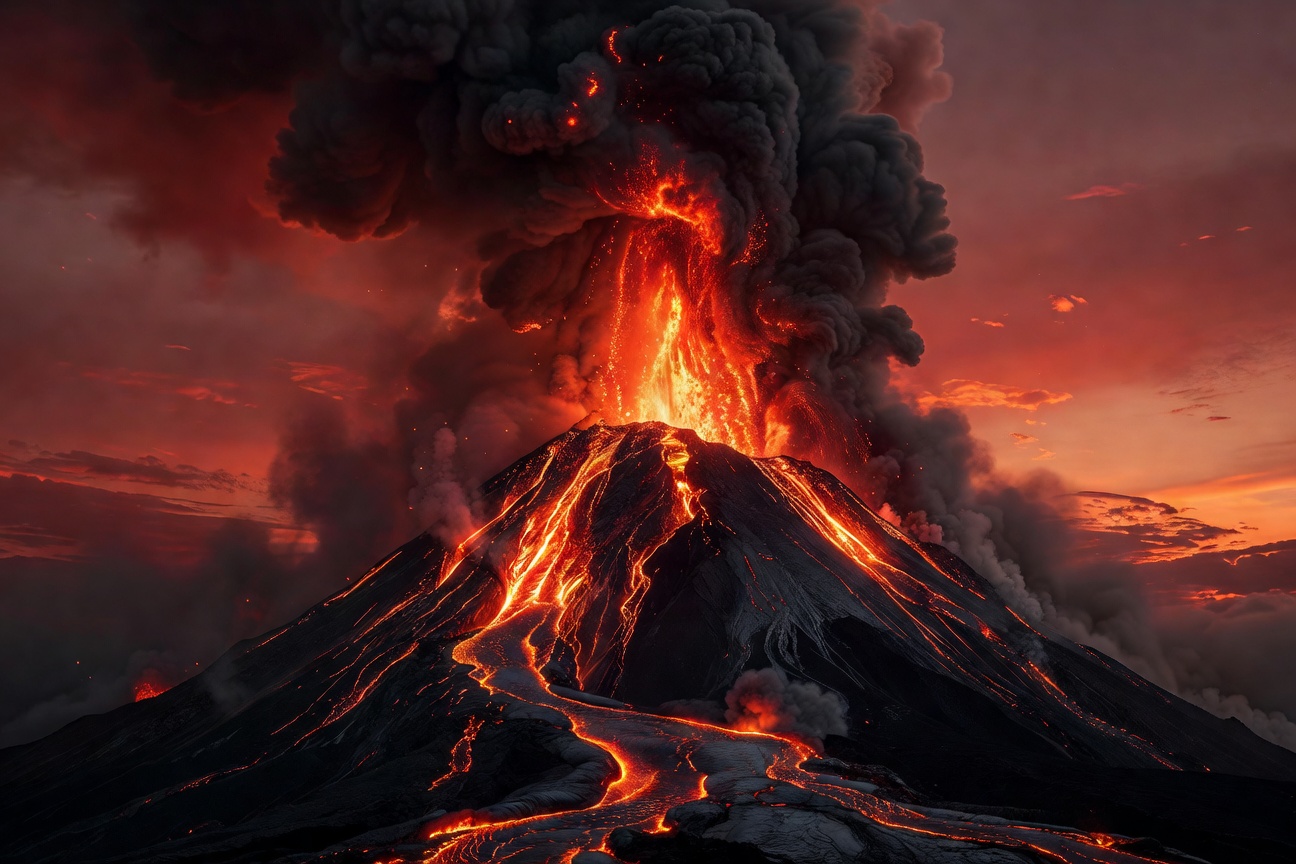
Humans are wired for continuity. Our brains treat change as threat, routine as safety. So why do the most fulfilled people keep torching their comfort zones?
READ MORE →Every reinvention starts with a small fire. A relationship ends. A job stops meaning anything. A city stops feeling like home. Something burns, and in the gap between what was and what could be, a choice appears: rebuild exactly what you had, or build something new.
Most people rebuild the familiar. Neuroscience explains why — the brain's default mode network literally constructs your identity from patterns of the past. Changing careers, leaving a relationship, moving countries — these don't just require courage. They require your brain to dismantle its own model of who you are. That's neurologically expensive, and your amygdala will fight it every step of the way.
"The phoenix myth exists in every culture on Earth. That's not coincidence — it's the human pattern. Destruction precedes creation. Always."
Psychologists call it "identity lag" — the period after a major life change when your self-concept hasn't caught up with your reality. You've left the old life but haven't fully arrived in the new one. This liminal space is deeply uncomfortable, and it's where most people retreat.
The ones who don't retreat? They've learned to tolerate the discomfort of not knowing who they are yet. They treat identity as a draft, not a monument. And every time they survive the fire, their tolerance for transformation grows.
The fire isn't the enemy. The fear of fire is. 🔥
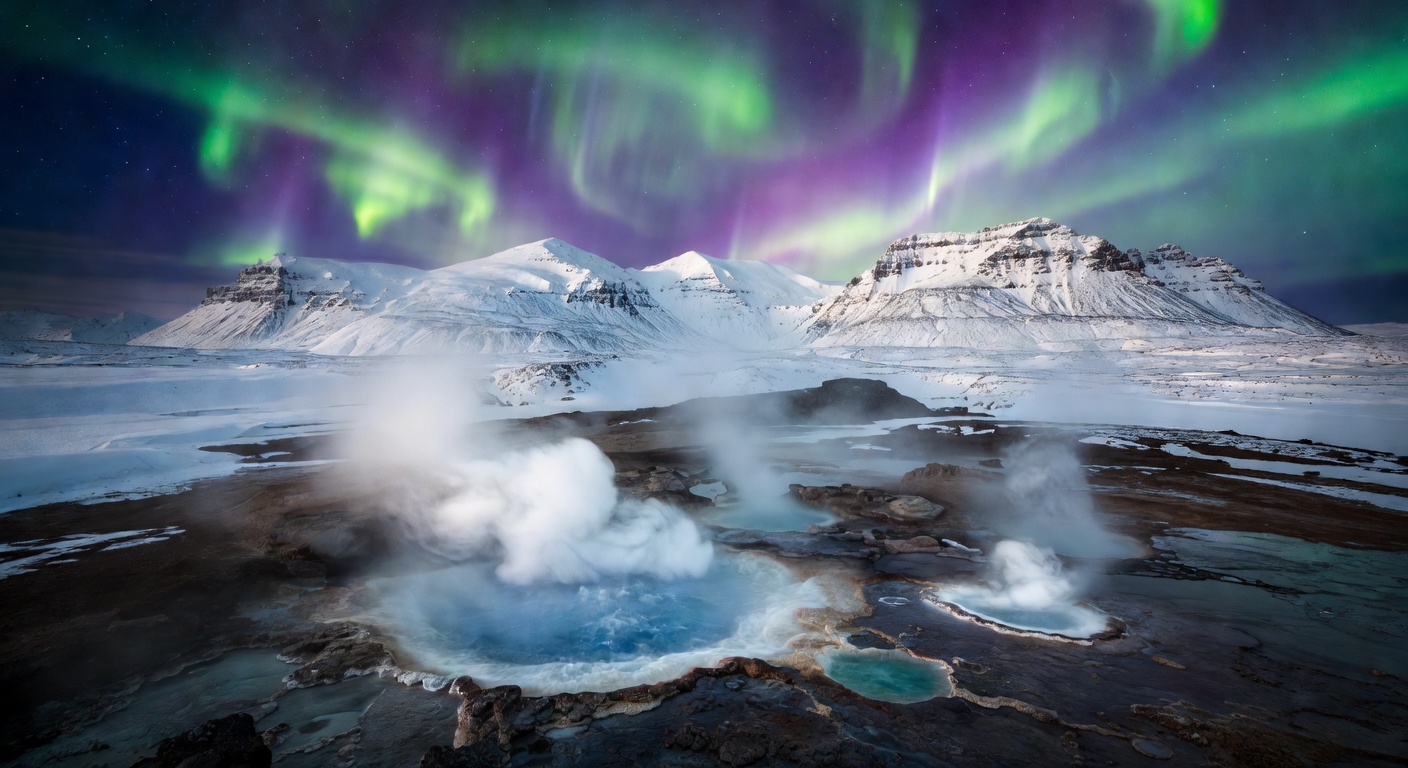
380,000 people on a volcanic island in the North Atlantic. 100% renewable energy. Near-zero crime. Universal healthcare. And they're literally growing new land. What's their secret?
READ MORE →Iceland shouldn't work. It's a frozen volcanic rock sitting on the Mid-Atlantic Ridge, closer to Greenland than to mainland Europe. It has no army. No McDonald's since 2009. Winters where the sun shows up for four hours. And yet, by virtually every quality-of-life metric, it outperforms countries fifty times its size.
The secret isn't one thing — it's a cascade of advantages that compound. Start with energy: Iceland generates 100% of its electricity from geothermal and hydroelectric sources. Not 80%. Not "mostly." All of it. This means near-zero energy costs, which means heated sidewalks in Reykjavik, which means outdoor swimming pools open year-round at 40°C, which means a population that actually goes outside in winter.
"Iceland didn't choose renewable energy because it was trendy. It chose it because volcanoes were free. Then it built an entire civilisation around that decision."
Iceland consistently ranks as one of the highest-trust societies on Earth. People leave babies in strollers outside cafés. The national police force's Instagram is mostly photos of cats. This isn't naivety — it's the result of a tiny, transparent society where reputation is everything and anonymity is impossible.
Iceland is what happens when you build a country on volcanoes and trust. Turns out that's a solid foundation. 🇮🇸
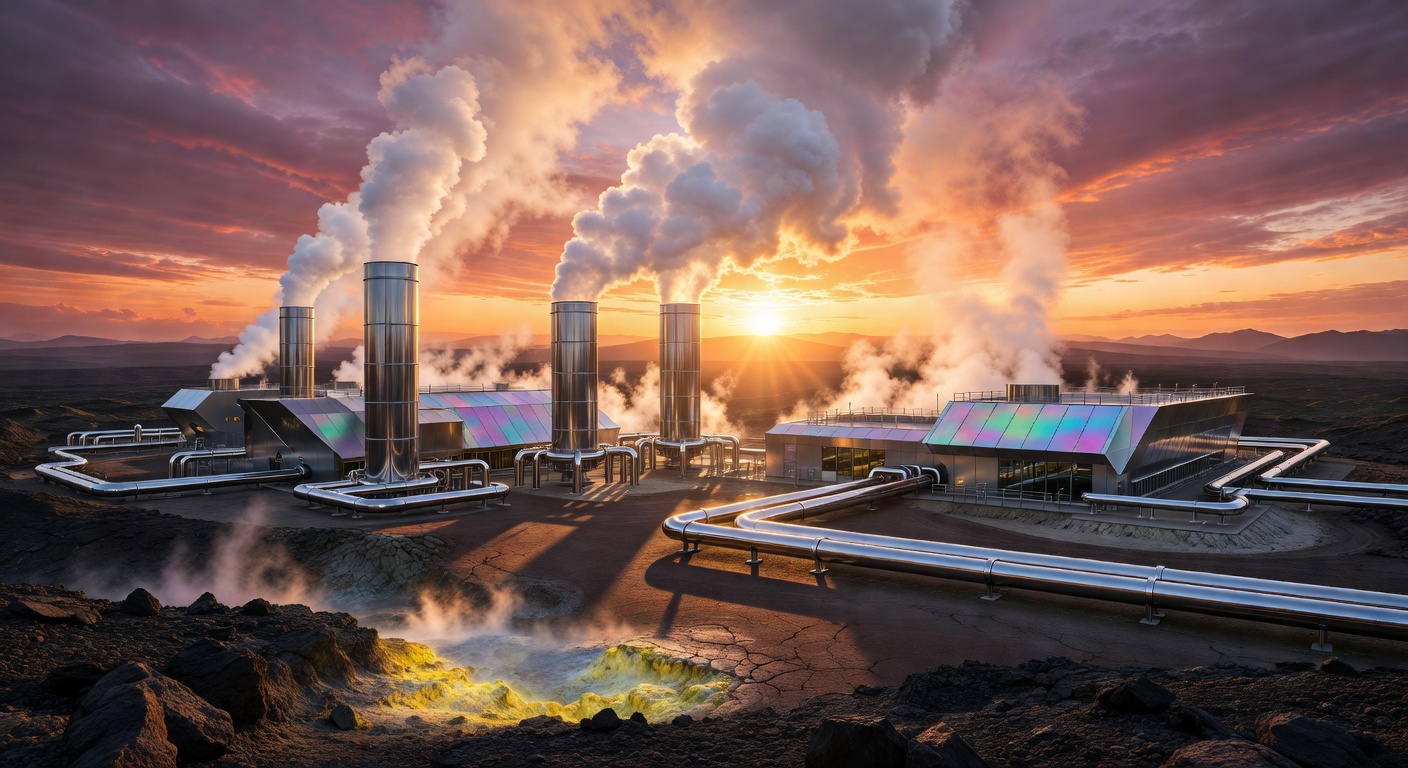
Beneath your feet right now, the Earth's core is 5,400°C — hotter than the surface of the sun. We've figured out how to tap it. So why does geothermal supply less than 1% of global energy?
READ MORE →The planet you're standing on is, technically, a nuclear reactor. Radioactive decay in Earth's core generates roughly 47 terawatts of heat continuously — enough to power human civilisation several times over. It doesn't depend on weather. It doesn't stop at night. It doesn't require mining lithium or building dams. It's just... there.
Traditional geothermal plants work by drilling into underground reservoirs of hot water and steam. This limits them to volcanically active regions — Iceland, New Zealand, parts of East Africa. But a new technology called Enhanced Geothermal Systems (EGS) is about to change the equation entirely.
"EGS doesn't need natural hot springs. It creates them. Drill deep enough anywhere on Earth, inject water, and you get steam. The entire planet becomes a potential power plant."
Three reasons: drilling is expensive, the oil industry owns the expertise (and the lobbying budget), and geothermal isn't photogenic. Solar panels on rooftops make great campaign photos. A hole in the ground doesn't.
Companies like Fervo Energy and Quaise are now using techniques borrowed from fracking — directional drilling, millimetre-wave rock vaporisation — to access geothermal heat at depths previously impossible. Fervo's pilot in Nevada is already generating 3.5 MW from a single well, with plans to scale to gigawatts by 2028.
The irony is perfect: the technology that made fossil fuels cheap might be the thing that makes them obsolete. Earth's been running its own power plant for 4.5 billion years. We're just finally learning to plug in. ⚡
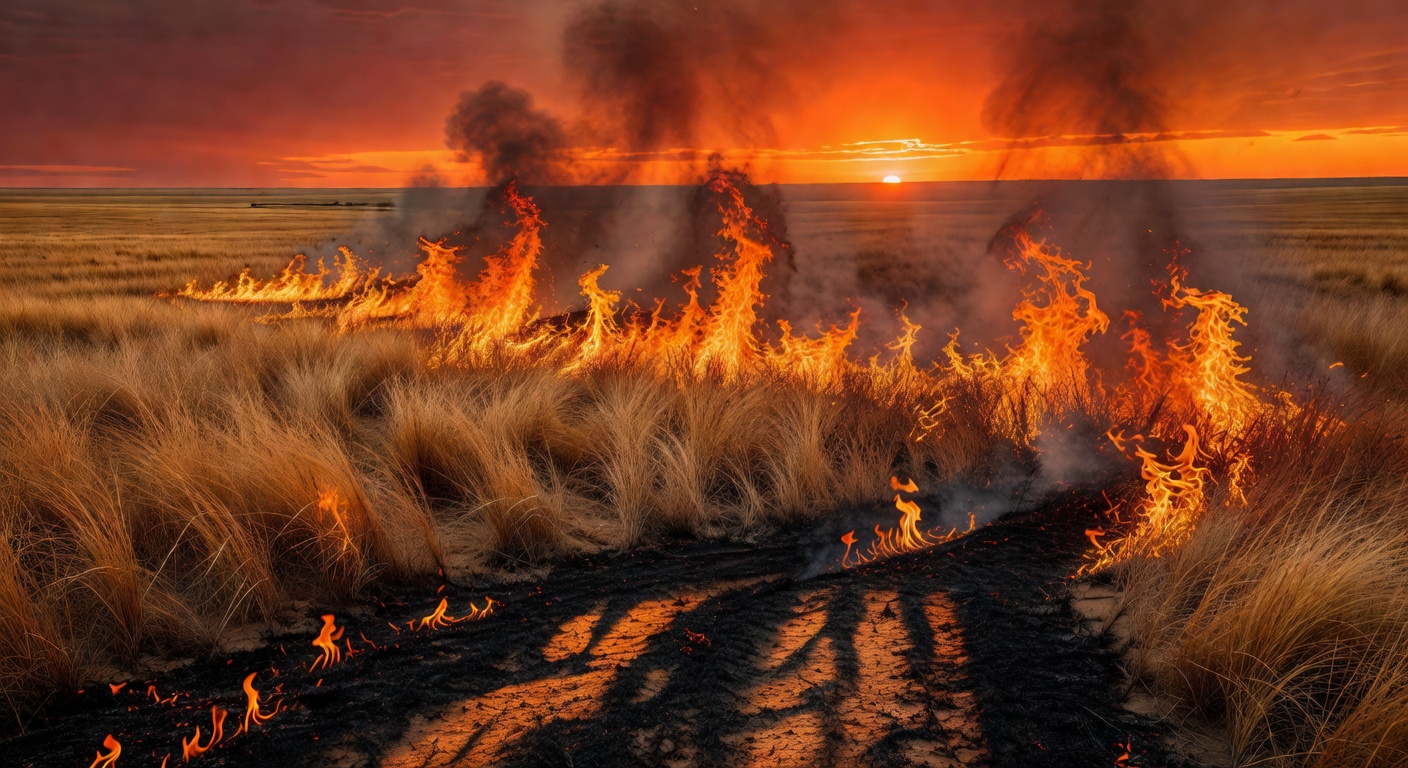
In ecology, controlled burns prevent catastrophic wildfires. In life, the same principle applies: small, deliberate destructions prevent the big uncontrollable ones.
READ MORE →For decades, the US Forest Service had one policy: suppress every fire immediately. The result? Forests choked with dead wood, undergrowth piled so thick that when fires inevitably broke through, they were unstoppable infernos. Entire towns burned.
The fix was counterintuitive: start more fires. Controlled, deliberate burns that clear the deadwood without destroying the canopy. Indigenous peoples had been doing this for thousands of years. The Forest Service just took a century to listen.
"A forest that never burns becomes a forest waiting to explode. A life that never changes becomes a life waiting to collapse."
The concept applies far beyond ecology. Joseph Schumpeter called it "creative destruction" in economics — old industries must die for new ones to emerge. But it works personally too.
Once a quarter, ask: what am I holding onto out of comfort rather than conviction? What would I stop doing if I weren't afraid of the gap it would leave? What needs to burn?
The fire isn't the catastrophe. The refusal to burn is. 🌿🔥