
MyDaysX Mag Issue #16 β€” Inner Seasons
🌸 MyDaysX Mag β€” Issue #16

Inner Seasons

Your body moves in cycles β€” learn to move with them. Ovulation energy, parenting wisdom, menopause sleep, and the sacred morning ritual that changes everything.

There's a particular kind of wisdom that comes from paying attention to your own rhythms β€” not fighting your body's natural seasons, but learning to recognise them, name them, and finally work with them instead of against them. That's the heart of this issue.

From the ovulation window that holds more power than most women ever realise, to the overlooked sleep crisis of perimenopause, to the art of raising children who can actually feel their feelings β€” this issue is about tuning in. To your body. To your family. To the quiet mornings that can reshape an entire day.

Four long reads, rooted in real research, written for women who are done with shallow answers. Welcome to your inner seasons. 🌸

This Issue Β· 4 Articles Β· 36 min total

The Ovulation Window: Your Body's Monthly Power Surge

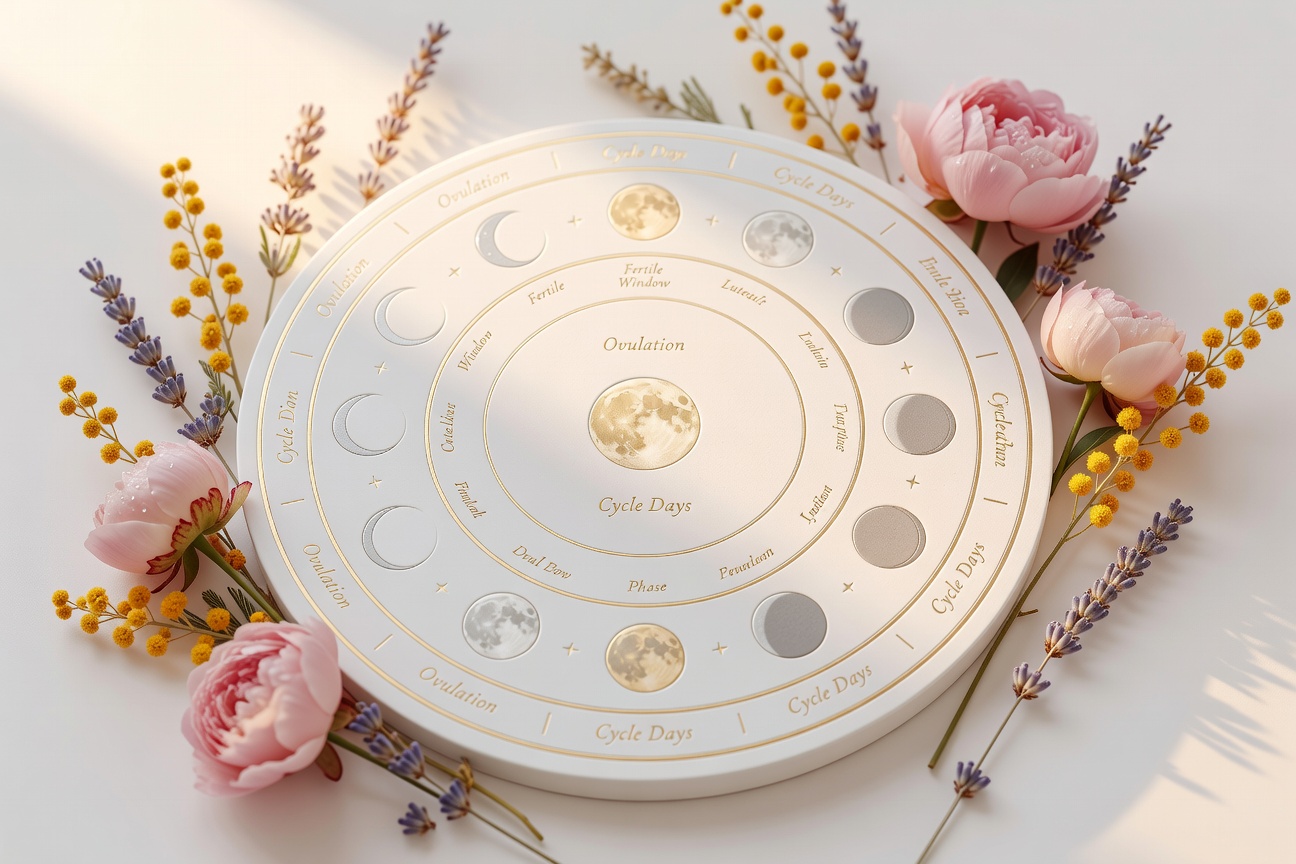
Ovulation cycle power

Most cycle education stops at periods. But the ovulatory phase β€” those 3 to 5 electric days in the middle of your cycle β€” may be the most potent, least understood, and most underutilised window in your entire month.

Read More

Here's a fact that doesn't get nearly enough airtime: ovulation is not just about fertility. It's a whole-body hormonal event that temporarily transforms your energy, cognition, social drive, attractiveness (yes, research suggests this), and even your pain tolerance. The question isn't whether this window exists β€” the science is clear that it does. The question is whether you're paying any attention to it at all.

For most women, cycle tracking stops at "when will my period start?" That's understandable β€” period pain is immediate and urgent, while ovulation is quiet by comparison. But prioritising menstruation tracking while ignoring ovulation is a bit like only ever monitoring your phone when the battery is dying, and never checking when it's fully charged. The charged state matters too.

What's Actually Happening at Ovulation

Around the midpoint of a typical cycle β€” day 12 to 16 for many women, though this varies considerably β€” a surge of luteinising hormone (LH) triggers the release of a mature egg from a follicle in one of your ovaries. This surge lasts 24 to 36 hours, and the egg itself is viable for only 12 to 24 hours after release. The fertility window is short β€” but the hormonal environment surrounding it lasts several days longer.

In the days leading up to ovulation, estrogen rises to its monthly peak. This is no small thing. Estrogen at peak levels influences serotonin production (mood elevation), dopamine sensitivity (reward and motivation), and cortisol modulation (reduced stress response). Your verbal fluency demonstrably increases around ovulation β€” studies from the University of Western Ontario found that women perform better on verbal memory tasks in the high-estrogen preovulatory phase. Fine motor skills also sharpen. Social confidence rises. Many women notice an almost inexplicable pull toward activity, connection, and ambition during these days, without knowing why.

The Research on Ovulatory Energy

A 2013 study published in Hormones and Behavior tracked women's self-reported energy, creativity, and social engagement across the menstrual cycle. The ovulatory phase consistently ranked highest across all three categories. A 2007 study in the journal Evolution and Human Behavior found that women's faces were rated as significantly more attractive by outside observers during the ovulatory phase β€” a finding replicated several times since, attributed to subtle changes in skin luminosity and facial symmetry driven by hormonal shifts.

Research from UCLA found that women in the ovulatory phase report higher confidence, increased desire for social connection, and greater willingness to take calculated risks. These aren't personality traits β€” they're hormonal states. And they're available to you, reliably, every single cycle.

"The ovulatory phase is nature's way of offering you a peak performance window. Whether you use it intentionally is entirely up to you."

Cervical Mucus: The Tracking Tool You've Been Ignoring

Ovulation doesn't announce itself with pain (usually) or bleeding. It announces itself through cervical fluid β€” the discharge that changes consistency throughout the cycle in a highly reliable pattern. In the days approaching ovulation, cervical fluid transitions from dry or crumbly to wet, to creamy, and finally to "egg white" β€” clear, slippery, stretchy mucus that can stretch between two fingers without breaking. This is the biological signal that ovulation is imminent or occurring.

Learning to observe and chart cervical fluid is one of the most powerful fertility awareness tools available, backed by decades of research. The Creighton Model and Billings Ovulation Method have both demonstrated efficacy rates for fertility awareness that rival hormonal contraception when practiced correctly. Beyond contraception, daily observation builds intimate knowledge of your own hormonal patterns β€” when your estrogen is peaking, when progesterone takes over, when your body is in which phase of its monthly cycle.

Combined with basal body temperature tracking (BBT) β€” a slight rise of 0.2 to 0.5Β°C that typically occurs after ovulation and confirms it has happened β€” cervical fluid observation creates a remarkably complete picture of your cycle.

Using the Ovulatory Phase Intentionally

If you're in a professional context, this is the window for presentations, negotiations, networking events, and high-stakes conversations. Your verbal fluency and social ease are at their monthly peak. Your confidence is biochemically supported. Schedule accordingly where possible.

In creative work, the preovulatory phase tends to favour ideation β€” the outpouring of ideas, connections, and expansive thinking. It's a poor time to edit or detail-review (that's the luteal phase's strength), but an excellent time to brainstorm, pitch, or begin new projects.

In relationships, the ovulatory phase often brings increased libido (regardless of fertility intentions) and heightened desire for connection. This isn't just relevant if you're trying to conceive β€” it's relevant to your partnership in general. Understanding that you naturally tend toward deeper connection during these days can help you and your partner respond to that energy rather than miss it.

When Ovulation Goes Missing

Not every cycle contains ovulation. Anovulatory cycles β€” where the hormonal cascade occurs but no egg is released β€” are common at both ends of the reproductive years and during times of significant stress, undereating, or over-exercising. Hypothalamic amenorrhea, the suppression of ovulation (and often menstruation) caused by the body's interpretation of insufficient resources, affects an estimated 1.62 million women in the US alone.

An anovulatory cycle may look like a normal period β€” bleeding still occurs, though typically a bit different β€” but the ovulatory peak never happens. Over time, chronic anovulation has consequences beyond fertility: the midcycle estrogen peak contributes to bone density maintenance, cardiovascular health, and cognitive function. Tracking your cycle closely enough to identify whether ovulation is occurring is not just reproductive planning β€” it's health monitoring.

If you suspect you're not ovulating regularly, LH strips (readily available, inexpensive) can confirm the LH surge within the cycle. Three or more cycles without a detected surge warrants a conversation with a healthcare provider.

The Bigger Picture

Reclaiming knowledge of your own ovulatory cycle is a small act with large implications. It shifts you from reacting to your cycle to understanding it. It moves you from victim of your hormones to someone who can read them like a weather forecast β€” not to control them, but to work with them intelligently.

Your cycle is not just a reproductive mechanism. It's a monthly operating system. Ovulation is its peak performance moment. And it's been there, quietly offering itself to you, every 28 to 35 days of your reproductive life. 🌸


Raising Emotionally Intelligent Kids: What the Research Actually Says

Emotionally intelligent parenting

Emotional intelligence β€” the ability to understand, manage, and respond thoughtfully to emotions β€” predicts success, wellbeing, and relationship quality more powerfully than IQ. And the window to build it opens in childhood, in your home, right now.

Read More

In 1995, psychologist Daniel Goleman published Emotional Intelligence, arguing that the classic measures of intelligence β€” IQ, academic ability β€” were incomplete predictors of life outcomes. What mattered more, he argued, was a person's ability to recognise emotions in themselves and others, to manage emotional responses rather than be hijacked by them, and to use emotional awareness to navigate social situations effectively. His work sparked decades of research that has largely confirmed his central premise.

A 2011 meta-analysis of over 700 studies found that high emotional intelligence (EI) was associated with better mental health outcomes, higher academic achievement, stronger relationships, and greater leadership effectiveness. A long-running study by the Robert Wood Johnson Foundation tracked children from kindergarten into adulthood and found that social-emotional skills at age five β€” the ability to cooperate, share, follow directions, and manage frustration β€” were significant predictors of educational attainment, employment status, and mental health outcomes twenty years later.

The good news for parents: unlike IQ, emotional intelligence is substantially teachable. And the most powerful EI curriculum in any child's life isn't a school programme β€” it's the pattern of interactions in your home.

What Emotional Intelligence Actually Looks Like in Children

Emotionally intelligent children don't suppress emotions β€” they're not unusually calm or compliant. What distinguishes them is their relationship with their emotional experience. They have language for feelings beyond "good" and "bad." They can notice "I'm frustrated right now" before the frustration explodes into a meltdown. They show genuine empathy β€” recognising distress in others and responding to it. They recover from disappointment with more resilience than average, not because they feel it less, but because they can process it rather than be overwhelmed by it.

Critically: emotionally intelligent children have been raised in environments where emotions were acknowledged rather than dismissed, labelled rather than punished, and managed collaboratively rather than suppressed in isolation.

Emotion Coaching vs. Emotion Dismissing

Psychologist John Gottman, whose relationship research we've referenced before, has also done groundbreaking work on parenting styles β€” specifically distinguishing between "emotion coaching" and "emotion dismissing" parenting approaches.

Emotion dismissing parents typically respond to a child's negative emotion with one of several strategies: distraction ("Don't cry, look at this!"), minimisation ("It's not a big deal"), criticism ("Stop being so dramatic"), or premature problem-solving ("Here's what you should do"). None of these are malicious β€” they're often attempts to help the child feel better faster, or to avoid the parent's own discomfort with emotional intensity. But they share a common message: your feeling is a problem to be solved, not an experience worth understanding.

Emotion coaching parents do something different. They treat their child's negative emotional state as an opportunity for connection and teaching. They acknowledge the feeling before doing anything else. They give it a name. They express empathy. Only after the child feels heard do they help with problem-solving, if problem-solving is even needed.

Gottman's research found that children raised in emotion-coaching households showed lower physiological stress responses, fewer behavioural problems, better academic performance, and higher quality peer relationships β€” compared to children raised in dismissing households, even when all other factors were controlled.

"Children don't need us to fix their feelings. They need us to sit beside them in the feeling long enough that they learn it's survivable."

The Emotion Vocabulary Foundation

One of the most practical things parents can do is deliberately expand their child's emotional vocabulary. Research by psychologist Lisa Feldman Barrett on "emotional granularity" β€” the ability to make fine distinctions between emotional states β€” shows that people who can name their emotions precisely experience those emotions with less intensity and recover from them faster.

This is because naming an emotion activates the prefrontal cortex (the thinking brain) and slightly reduces activity in the amygdala (the alarm centre). Simply putting a word to a feeling begins to regulate it. Children who only have access to "mad," "sad," and "scared" have cruder emotional tools than those who can distinguish between frustrated and disappointed, nervous and overwhelmed, embarrassed and ashamed.

Building this vocabulary doesn't require formal teaching. It requires narration β€” parents naming emotions as they arise in daily life. "You're disappointed that we can't go to the park. That makes sense." "I can see you're really excited about tomorrow." "You seem anxious about the test. Is that right?" Over hundreds of such exchanges, children develop an internal library of emotional language that becomes a lifelong resource.

Co-Regulation Comes Before Self-Regulation

We often talk about teaching children to "self-regulate" β€” to manage their own emotional states independently. But neuroscience suggests this has a developmental prerequisite that's frequently overlooked: children cannot consistently self-regulate until they've experienced enough co-regulation β€” having their emotional state regulated in the presence of a calm, attuned adult β€” that this capacity becomes internalised.

The parent who sits calmly with a tantruming toddler, saying quietly "I'm here, I know that's really hard, let's breathe together" β€” rather than escalating, panicking, or withdrawing β€” is literally teaching the child's nervous system how to calm itself. The child's brain learns this pattern through repeated experience of it, long before they can replicate it alone.

This means that the most important variable for raising an emotionally regulated child is the parent's own regulation. Not perfection β€” ruptures and repairs in the parent-child relationship are actually valuable, because they teach children that disconnection doesn't mean abandonment, and that relationships can be restored after difficulty. But the general baseline: can you stay present and relatively calm when your child is distressed? That skill, practiced imperfectly over years, is the foundation of your child's emotional intelligence.

Practical Approaches That Work

  • The feelings check-in: Build a daily ritual of asking about emotions rather than events. "What was one hard feeling you had today?" teaches children that emotions are worth examining, not hiding.
  • Read together: Picture books and fiction are EI training in disguise. Discussing characters' feelings, motivations, and decisions β€” "Why do you think she felt scared?" β€” builds empathy and perspective-taking directly.
  • Model out loud: "I'm feeling frustrated right now because the traffic is bad. I'm going to take a few deep breaths." Children learn more from watching adults manage emotions than from any lecture about it.
  • Validate before solving: Before any problem-solving conversation, spend thirty seconds simply acknowledging what the child is feeling. "That sounds really unfair. Of course you're upset." Then β€” and only then β€” "What do you want to do about it?"
  • Repair openly: When you lose your temper, come back later and name it. "I got too angry earlier. That wasn't your fault. I'm sorry." This models both emotional accountability and the possibility of repair.

Emotional intelligence isn't a destination β€” it's a lifelong practice. And it begins in the smallest moments: the moment you choose to ask "how does that feel?" instead of moving straight to the solution. The moment you stay in the room with the big feeling instead of rushing to make it stop. These moments accumulate, over years, into a child who knows their inner world is not something to be feared or hidden β€” but something worth understanding. 🌿

Perimenopause Sleep Survival Guide: Reclaiming Rest in the Chaos

Perimenopause sleep

The night sweats are talked about. The lying awake for two hours at 3am, the racing heart, the inability to fall back to sleep β€” less so. Perimenopause sleep disruption is one of the most debilitating and undertreated aspects of the transition. Here's the full picture, and what actually helps.

Read More

Sleep and hormones are deeply, inextricably linked. Estrogen and progesterone both play active roles in the architecture of sleep β€” not just in the sense of "hormones affect how you feel," but in direct, mechanistic ways that alter sleep quality, depth, and duration as they fluctuate and decline.

Progesterone has direct anxiolytic (anti-anxiety) and sedative effects, acting on GABA receptors in the brain β€” the same receptors targeted by benzodiazepines. As progesterone declines during perimenopause, many women experience anxiety (especially nighttime anxiety), reduced ability to fall asleep, and significantly lighter sleep architecture. The deep, restorative slow-wave sleep that is critical for physical repair, memory consolidation, and emotional processing measurably decreases.

Estrogen's role in thermoregulation β€” the brain's management of body temperature β€” means that its decline disrupts the normal temperature-sleep relationship. Core body temperature naturally drops slightly at sleep onset, a shift that estrogen helps regulate. Reduced estrogen makes this regulation less stable, creating the conditions for vasomotor events: hot flashes and night sweats that can occur multiple times per night without a woman being fully aware of each one, fragmenting sleep architecture even when she doesn't recall waking.

The Cascade Problem

Sleep disruption in perimenopause rarely comes as a single symptom. It arrives as part of a cascade. Night sweats interrupt sleep. Disrupted sleep impairs cortisol regulation, leading to higher daytime stress and heightened anxiety. Anxiety elevates evening cortisol, which competes with melatonin production and delays sleep onset. Insufficient deep sleep reduces the brain's processing of emotional content, leaving women more reactive to stress the following day β€” which elevates cortisol and anxiety, which disrupts sleep again.

The cascade is self-reinforcing. And it can develop alongside other perimenopausal sleep disruptors: increased incidence of sleep apnoea (often undiagnosed in women, whose symptoms differ from the textbook male presentation), restless legs syndrome (linked to hormonal changes and iron status), and heightened pain sensitivity that makes any existing joint issues more intrusive at night.

"Sleep deprivation and perimenopause create a vicious cycle β€” each one making the other worse. Breaking into that cycle with targeted interventions is not a luxury. It's a physiological necessity."

What the Research Supports

Hormone therapy (HRT). For women whose sleep disruption is primarily driven by vasomotor symptoms β€” hot flashes and night sweats β€” hormone therapy is the most effective intervention available, with strong evidence. Transdermal estrogen, in particular, has been shown to significantly reduce night sweats, improve sleep continuity, and increase slow-wave sleep. If your sleep disruption began with or is accompanied by significant vasomotor symptoms, a conversation about HRT is warranted and the evidence strongly supports it for appropriately selected women.

Cognitive Behavioural Therapy for Insomnia (CBT-I). For the component of perimenopause sleep disruption that has become conditioned insomnia β€” where the bedroom itself becomes a trigger for wakefulness and anxiety β€” CBT-I is the gold-standard treatment regardless of menopause status. CBT-I works by identifying and restructuring the thoughts and behaviours that perpetuate insomnia, and meta-analyses consistently show it outperforms sleep medication for long-term outcomes. It can be delivered by a therapist, via guided digital programmes, or through well-researched self-help materials.

Sleep hygiene β€” the real version. "Sleep hygiene" has become such a clichΓ© that people roll their eyes at it, yet the evidence for specific interventions remains robust. Core body temperature drop at sleep onset is critical β€” a cool bedroom (16–19Β°C) meaningfully improves sleep quality and is particularly important during perimenopause when thermoregulation is compromised. Light exposure is the primary regulator of the circadian clock: bright light within 30 minutes of waking (even overcast daylight) anchors the circadian rhythm; blue light after sunset delays it.

Evidence-Based Interventions Worth Knowing

  • Cooling mattress technology: Products like cooling mattress toppers or pads that circulate cool water have shown meaningful reductions in night sweat-related awakenings in clinical trials. Not placebo β€” actual temperature regulation for the most disruptive symptom.
  • Magnesium glycinate: This form of magnesium (not oxide or citrate) has genuine evidence for improving sleep quality β€” specifically, it supports GABA activity (the same pathway as progesterone), reduces cortisol, and relaxes muscles. Dose studied: 300–400mg taken 30–60 minutes before sleep.
  • Alcohol elimination: Alcohol is uniquely disruptive to perimenopause sleep. It initially sedates but dramatically fragments sleep in the second half of the night, suppresses REM sleep, impairs thermoregulation, and exacerbates hot flashes. Even moderate consumption (1–2 drinks) measurably worsens sleep quality in perimenopausal women.
  • Strategic caffeine cutoff: Caffeine's half-life is approximately 5–7 hours, meaning coffee at 2pm still has half its stimulant effect at 7–9pm. Many women with perimenopausal sleep difficulties find that moving their last caffeine to before noon produces noticeable improvement within days.
  • Exercise timing: Moderate aerobic exercise improves sleep quality substantially β€” but the timing matters. Evening exercise (within 2 hours of bedtime) raises core temperature and cortisol, opposing sleep. Morning or early afternoon exercise produces the largest benefit.

The 3am Window

Many perimenopausal women describe a specific pattern: falling asleep without difficulty, then waking between 2am and 4am and being unable to return to sleep for one to two hours. This window corresponds to the natural trough of cortisol (which then begins rising toward morning), and for women with compromised progesterone and disrupted thermoregulation, it becomes a reliable crack in the night.

The most evidence-based approach to the 3am window is counterintuitive: don't fight it. The more you lie in bed anxiously monitoring your wakefulness, the more your nervous system associates the bedroom with arousal and vigilance, deepening the pattern. If you've been awake for 20 minutes without any drift toward sleep, the CBT-I protocol is to get up, move to a dim room, do something calm but not stimulating (reading on paper, light stretching, slow breathing), and return to bed only when sleepy.

This feels wrong. It feels like surrendering. It is actually the most efficient path through. Over one to three weeks of consistent practice, the conditioned arousal breaks and sleep consolidates. The nights don't have to be this hard. But getting to the other side requires working with your nervous system's logic, not fighting it.

Rest is not optional during a hormonal transition that is already taxing every body system. Protecting your sleep β€” actively, strategically, with the full weight of what the research supports β€” is one of the highest-yield health investments you can make right now. πŸŒ™

Sacred Stillness: Building a Morning Practice That Actually Lasts

Sacred morning practice

Every wellness article tells you to have a morning routine. Almost none of them tell you why yours keeps failing β€” or how to build one that survives real life, including bad nights, demanding kids, and the seasons of your cycle when stillness feels genuinely impossible.

Read More

The 5am miracle morning, the journaling practice, the meditation cushion, the gratitude list, the cold shower. At some point in the last decade, the morning routine became aspirational content, a performance of intentionality photographed in soft golden light with a perfectly arranged mug of matcha. And the gap between that image and the reality of most women's mornings β€” fractured, reactive, already on the back foot β€” has made "morning practice" feel like something for people who live different lives.

But strip away the aesthetic and the anxiety, and what's actually being described is something both simpler and more profound: a deliberate pause at the threshold between sleep and the demands of the day, in which you orient yourself from the inside rather than immediately surrendering to the outside. That thing β€” whatever form it takes β€” is worth having. Not as a performance or an achievement, but as a survival tool and a spiritual act.

Why Morning Specifically?

The case for morning practice isn't arbitrary. Cortisol follows a daily rhythm, rising sharply in the first hour after waking β€” the Cortisol Awakening Response (CAR) β€” in preparation for the demands of the day. This window of elevated cortisol also correlates with heightened neuroplasticity: the brain in the hour after waking is in a state of enhanced learning and pattern-forming. What you expose your mind to during this window β€” whether reactive anxiety from an immediately checked phone, or intentional calm from a chosen practice β€” actively shapes the neural patterns of how you move through the rest of your day.

A 2018 study in the journal Psychoneuroendocrinology found that mindfulness practices performed in the morning produced measurably lower cortisol responses to stressors throughout the rest of the day, compared to the same practices performed at other times. Morning isn't the only time for intention β€” but it is the time when intentionality compounds most.

The Failure Loop and How to Break It

Most morning practices fail not because the person isn't disciplined enough, but because they were designed for an idealised life rather than a real one. You built a 45-minute routine and then the baby woke early, or your period hit hard, or work was overwhelming, and one missed morning became two, and by day four you'd abandoned the whole thing.

The antidote is what meditation teacher Tara Brach calls the "minimum viable practice" β€” an irreducible version of your intention that can be completed even on the worst days. Not the ideal version, not the aspirational version β€” the version that still counts when everything is hard.

For some people, this is three deliberate breaths before getting out of bed. For others, it's two minutes of journaling β€” literally two minutes, a timer, whatever comes. For others, it's a single moment of standing at a window before the phone is touched. The point is not the length or the components. It's the gap β€” however small β€” between waking and reacting. Between sleep and performance. A moment that is yours, before it belongs to anyone else.

"A morning practice doesn't have to be elaborate to be sacred. Three conscious breaths before your feet hit the floor is a practice. It counts. Do it every day and something shifts."

The Cycle-Informed Morning

One of the most powerful adaptations you can make to any morning practice is to vary it by cycle phase. A rigid routine that ignores the radical difference between how you feel at ovulation versus day two of your period is a routine that will regularly fail you β€” and leave you feeling like the failure rather than the routine.

During menstruation (days 1–5 approximately), the body's wisdom is oriented toward rest, inward attention, and reduced stimulation. A morning practice in this phase might look like extended rest, slow breathing, and gentle movement rather than vigorous activity. The energy for an intense journal session or a challenging meditation isn't there β€” and trying to force it creates resistance that erodes the habit.

During the follicular phase (days 6–13), as estrogen rises, you may find you genuinely want a more active, exploratory morning β€” movement that's more vigorous, journaling that's more speculative and creative, or learning something new in the morning hours. This phase naturally supports expansion, so let your practice expand.

At ovulation (days 12–16), social and verbal energy peaks. Some women find that morning voice practice β€” singing, speaking affirmations aloud, even calling a friend β€” feels unusually natural in this window. If connection is part of your spiritual life, this is when it flows easiest.

During the luteal phase (days 17–28), as progesterone rises and eventually both hormones decline before menstruation, the internal landscape becomes more intense. Practices that support emotional processing β€” journaling, somatic movement, time in nature β€” serve this phase better than productivity-oriented rituals.

Components Worth Considering

If you're building a new practice, here are evidence-supported elements to consider weaving in, according to your available time and current phase:

  • Sunlight exposure: 5–10 minutes of natural light within 30 minutes of waking anchors your circadian rhythm, suppresses residual melatonin, and sets a cortisol clock that improves evening sleep. This is probably the highest-leverage morning intervention available. It doesn't require a routine β€” just going outside.
  • Breathwork: Even three minutes of slow, extended exhale breathing (inhale 4 counts, exhale 8) activates the parasympathetic nervous system and lowers physiological arousal before you've even had coffee. It's a direct lever on your nervous system that requires nothing except willingness.
  • Written intention: Research on "implementation intentions" β€” writing down not just what you intend to do but when, where, and how β€” finds that this dramatically increases follow-through on goals. Even writing one sentence about what you want from the day creates a forward-oriented neural frame that influences decision-making throughout the day.
  • Movement: Not necessarily exercise in the performance sense β€” but any form of body-directed movement that brings you into physical presence. Stretching, dancing in the kitchen, a short walk. The body's wisdom is often more accessible in movement than in stillness, particularly in the second half of the cycle.
  • The phone boundary: The single most consistently reported change that improves morning quality is delaying first phone contact β€” not forever, but for 15–30 minutes. This boundary has almost nothing to do with discipline and everything to do with the neurological reality that checking messages first thing floods the brain with external demands before the self has been oriented. A morning that begins with your own agenda is neurologically different from one that begins with everyone else's.

When It Feels Impossible

Some seasons of life don't accommodate morning practices in any conventional sense. A newborn, a crisis, a period so debilitating you can barely stand β€” these seasons are not failures, and the answer isn't a better routine. The answer is radical compassion for where you actually are, and perhaps a practice so small it's essentially invisible: one breath. One word of intention spoken quietly to yourself. One second of presence before the day takes over.

The Zen concept of beginner's mind applies here: approach each morning without the weight of how many times you've already "failed" at a morning practice. This morning is new. You don't have a streak to protect. You only have this one chance, in these particular few minutes, to choose how you begin today.

That choice β€” made imperfectly, repeatedly, across the seasons of your year and your cycle β€” is the practice. It doesn't have to be sacred to make you whole. But often, somehow, it does. ✨