
MyDaysX Mag Issue #23 โ€” Roots of Strength
๐ŸŒฑ MyDaysX Mag โ€” Issue #23

Roots of Strength

Growing through pregnancy, parenting, love, and soul. What it takes to build deep foundations that last.

Strength isn't always loud. Sometimes it's the quiet work of nurturing life inside you, guiding a child through their first laugh, choosing vulnerability over distance in love, or anchoring yourself in rituals that keep you steady when the world spins fastest.

Issue #23 is about those roots โ€” the unseen, unglamorous, essential work that holds everything up. Four long reads diving into pregnancy strength-building, the neuroscience of playful parenting, the micro-habits that heal relationship distance, and the daily anchors that make chaos survivable. Real research, real tools, no fluff. Let's dig in. ๐ŸŒฑ

This Issue ยท 4 Articles ยท 36 min total

Second Trimester Power: Building Strength for Birth and Beyond

Pregnant woman in golden meadow, empowered and glowing

The second trimester is often called the 'honeymoon phase' of pregnancy โ€” energy returns, nausea fades, the belly begins to show. But it's also the most crucial window for building the physical, nutritional, and mental foundations that will carry you through labour, delivery, and the fourth trimester. Here's how to make every week count.

Read More

By week 13, the tide turns. The crushing fatigue of the first trimester lifts โ€” not entirely, but enough. Your body has negotiated its peace with the new life growing inside it. The placenta is now fully operational, your morning sickness is typically subsiding, and a window opens: roughly thirteen weeks where you feel more like yourself than you have in months. This, quietly, is your training camp for one of the most physically demanding events of your life.

The way most women spend the second trimester is understandable: relief. Rest. Nesting. Wearing maternity clothes for the first time and finally telling the colleagues who definitely already knew. All of this is valid. But there's an opportunity here that is so rarely discussed, so rarely optimised โ€” and its absence is felt most keenly in the delivery room and the weeks that follow.

Why the Second Trimester Is Your Strength Window

The first trimester is about survival. The third is about discomfort management. The second is the sweet spot โ€” the period when your energy supports activity, your belly hasn't yet shifted your centre of gravity dramatically, and your body is flooded with the hormonal conditions that actually support muscle building and adaptation.

Relaxin โ€” the hormone that softens ligaments to prepare the pelvis for birth โ€” is present throughout pregnancy but doesn't typically cause joint instability issues until later. Progesterone levels that made you horizontal in weeks 6โ€“12 have stabilised. You're eating again. This is the biological window for intentional strength work.

A landmark 2023 meta-analysis published in the British Journal of Sports Medicine, reviewing 57 randomised controlled trials involving over 6,000 pregnant women, found that structured exercise during pregnancy โ€” including resistance training โ€” was associated with a 28% reduction in gestational diabetes risk, a 17% reduction in caesarean section rates, a 38% reduction in postpartum depression, and significantly shorter active labour phases. These aren't marginal gains. These are transformative outcomes, accessible to most women without complications.

"Exercise in pregnancy is one of the most evidence-backed interventions for birth outcomes, postpartum recovery, and maternal mental health. The second trimester is when that investment pays the highest dividend."

The Physical Foundations: What to Actually Build

Not all exercise is equally valuable in pregnancy. Here's where to focus your energy:

  • Posterior chain and glute strength: Deadlifts (Romanian or conventional), hip hinges, and glute bridges directly train the muscles most involved in the pushing phase of labour. A 2021 study in the Journal of Midwifery found that women with stronger posterior chains reported greater perceived control during pushing and shorter second-stage labour times.
  • Pelvic floor โ€” both contraction AND release: The pelvic floor narrative in pregnancy is almost entirely focused on Kegel exercises (contraction). But an equally crucial skill is learning to fully release and lengthen the pelvic floor โ€” the state required for the baby to descend through the birth canal. Physiotherapist-guided pelvic floor work that includes both strengthening and releasing is optimal.
  • Deep core โ€” protecting against diastasis recti: Diastasis recti (separation of the rectus abdominis muscles along the linea alba) affects up to 60% of pregnancies and can cause long-term core dysfunction if not managed. Dead bugs, bird dogs, and diaphragmatic breathing exercises maintain intra-abdominal pressure without straining the midline.
  • Hip mobility: Malasana squats, hip circles, and banded clamshells open the pelvis and prepare it for the mobility demands of labour. Research shows that women who maintain hip mobility training throughout pregnancy are more likely to use upright positions during labour โ€” positions associated with significantly better outcomes.
  • Cardiovascular endurance: Labour is a marathon, not a sprint. Sustained cardiovascular capacity โ€” built through walking, swimming, stationary cycling, or prenatal yoga โ€” directly supports your stamina through hours of active labour. The American College of Obstetricians and Gynaecologists recommends 150 minutes of moderate aerobic activity per week during uncomplicated pregnancies.

The Non-Negotiable Safety Rules

Exercise in pregnancy requires awareness, not fear. The key safety principles are: breathe throughout every movement (no Valsalva breath-holding, which spikes intra-abdominal pressure); avoid lying flat on your back for extended periods after 16 weeks (the uterus can compress the vena cava, reducing cardiac output); stop immediately if you experience pain, contractions, dizziness, or bleeding; and stay well hydrated, as your blood volume has already increased by 40โ€“50% and dehydration triggers uterine irritability.

For women with complications โ€” placenta praevia, pre-eclampsia risk, cervical insufficiency, or others โ€” the exercise prescription changes, and individual guidance from a midwife or obstetrician is essential. For the majority of uncomplicated pregnancies, exercise is not just safe. It's one of the best things you can do.

Fuelling the Growth: Nutritional Foundations

The second trimester is when fetal growth accelerates dramatically and your nutritional needs shift accordingly. Protein requirements increase to approximately 100g daily (from a non-pregnant baseline of around 50-60g) โ€” not because you're building muscle aggressively, but because your body is building an entire human being while maintaining your own tissues. High-quality protein sources โ€” eggs, Greek yoghurt, legumes, lean meats, salmon โ€” should anchor every meal.

Iron becomes critical as your blood volume expands and the fetus begins accumulating its own iron stores. The World Health Organisation recommends 27mg daily in pregnancy โ€” nearly double the non-pregnant recommendation. Pairing iron-rich foods with vitamin C (orange juice with your spinach; lemon on your lentils) dramatically improves absorption.

Omega-3 DHA โ€” found in fatty fish, algae supplements, and fortified eggs โ€” is directly involved in fetal brain and eye development during the second and third trimesters. Research consistently shows that higher maternal DHA intake correlates with better cognitive outcomes in children at age 4 and beyond. The recommended intake during pregnancy is 200-300mg DHA daily, with many researchers advocating for higher amounts (up to 1g) based on growing evidence.

  • Choline (550mg/day): Found in eggs and liver, crucial for fetal brain development and often absent from standard prenatal vitamins โ€” check yours.
  • Magnesium (350-400mg/day): Supports sleep quality, muscle function, and may reduce leg cramp frequency, which increases significantly in the second trimester.
  • Collagen (10-20g/day): Preliminary evidence suggests it supports skin elasticity and may reduce stretch mark formation during rapid growth phases.

The Mental Preparation That Actually Works

Physical preparation without mental preparation leaves you half-ready. The research on psychological preparation for childbirth is surprisingly robust. Hypnobirthing โ€” a relaxation-based technique involving guided visualisation, breathing techniques, and reframing of birth language โ€” has been shown in multiple randomised trials to reduce perceived pain, decrease epidural use by 30-40%, and shorten first-stage labour.

You don't need to commit to an unmedicated birth to benefit from this preparation. The techniques are useful regardless of your birth plan โ€” because even with an epidural, hours of early labour and the transition phase require mental stamina. Learning to breathe through waves rather than against them, to relax muscles under stress, to stay present in your body rather than spiralling into fear: these are skills. And like all skills, they improve with practice.

Spend five minutes daily โ€” during your walk, before sleep, during a rest โ€” visualising a calm, powerful birth. Not a perfect one. A powerful one, where you meet whatever comes with resource and capacity. Research shows this kind of directed mental rehearsal reduces pain catastrophising and increases self-efficacy during labour.

Building Your Support Architecture

The fourth trimester โ€” the first three months after birth โ€” is universally described by new mothers as the hardest period. The research bears this out: rates of postpartum depression, anxiety, and birth trauma are highest in women who felt underprepared and undersupported. The second trimester is the right time to build the structures that will hold you in those weeks.

This means identifying practical support (who will cook, clean, take night shifts, be present in the early days), having explicit conversations with partners about the redistribution of labour that new parenthood requires, connecting with other new parents in your area, and if possible, booking a postpartum doula or community midwife follow-up.

Your roots of strength don't end with birth. They begin long before it โ€” in the workouts, the meals, the breathing practices, the conversations โ€” and they extend into everything that follows. The second trimester is your chance to lay them deep. ๐ŸŒฑ

Play That Lasts: How Joyful Moments Shape Lifelong Resilience

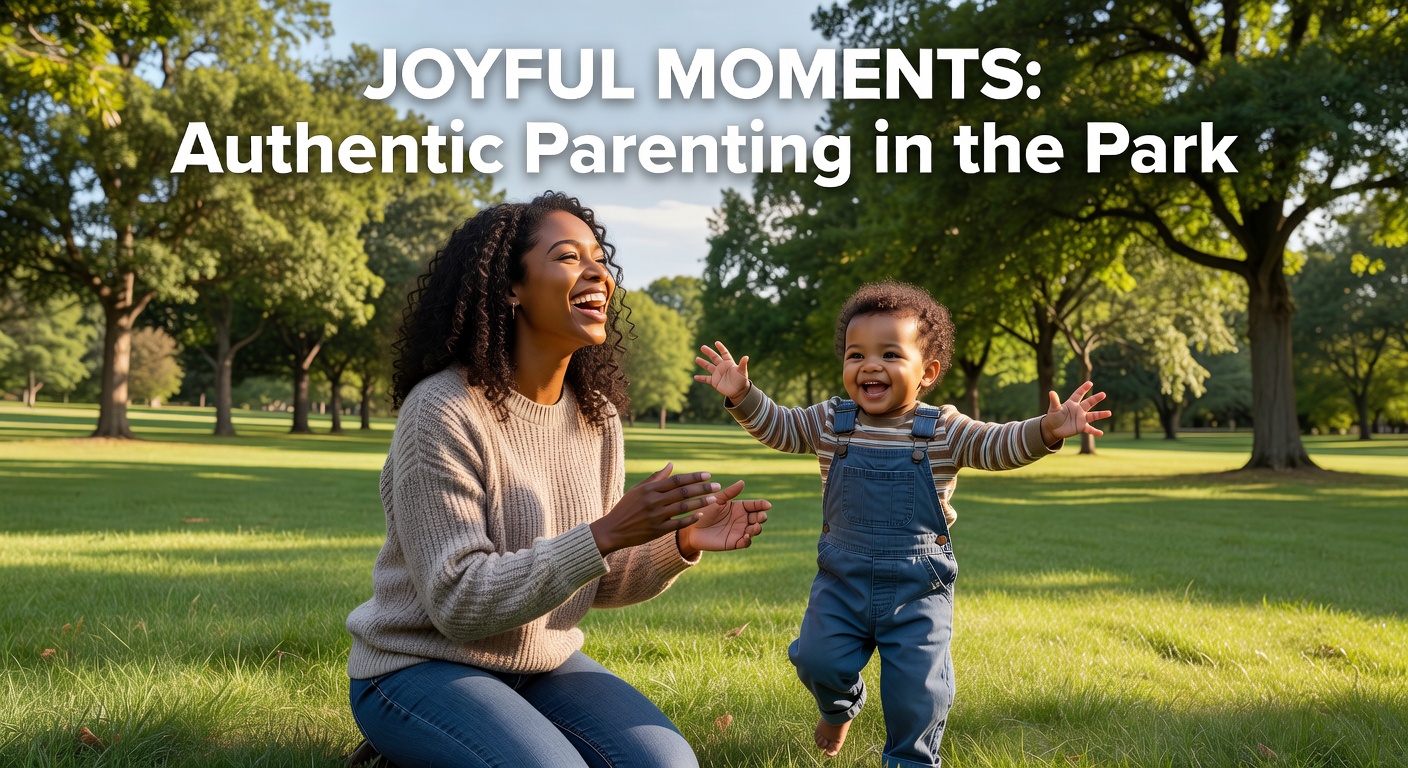
Mother and toddler laughing together in sunlit park

We know play is important. But we tend to think of it as a break from the serious business of development โ€” the breathing space between learning activities. Decades of neuroscience tell a very different story: play isn't a pause from growing. It IS the growing. And the quality of joy you build with your child right now is quietly wiring them for a lifetime of resilience.

Read More

There's a particular laugh โ€” the kind that arrives when a toddler is completely surprised by something joyful, when the delight is so immediate and unguarded it rewires the room. If you've heard it, you know it. It's the laugh of someone who has no idea yet that life contains disappointment. Who trusts completely that the game will continue, that the person across from them is safe, that there is no limit on joy.

What's happening in a brain producing that laugh โ€” and in the brain of the adult who caused it โ€” is one of the most important processes in human development. We've spent decades studying trauma's fingerprints on developing nervous systems. We're only now beginning to understand joy's equally permanent signature. And what the research reveals is that play isn't just a pleasant childhood activity. It's the primary architecture of resilience.

What the Neuroscience Actually Says

The prefrontal cortex โ€” the brain region governing executive function, emotional regulation, impulse control, and long-term planning โ€” develops most rapidly between birth and age 7, with a second significant window in adolescence. Unlike most organs, the brain develops in direct response to experience. The connections it builds are shaped by what it repeatedly encounters.

Playful interaction โ€” particularly the kind characterised by mutual joy, physical engagement, and emotional attunement between parent and child โ€” drives the development of neural circuits in the prefrontal cortex that are directly associated with resilience. Specifically, play builds:

  • Emotional regulation capacity: When a child plays a game that involves mild frustration (turn-taking, losing, waiting) followed by resolution and continued play, they practice the neural sequence of emotional activation and recovery. Every time this cycle completes successfully, the pathway becomes slightly more efficient โ€” slightly easier to access under real stress.
  • Distress tolerance: Rough-and-tumble play โ€” wrestling, tickling, chasing โ€” introduces moderate levels of physical arousal and uncertainty in a context of complete safety. This is neurologically critical. The child's brain learns that activation and recovery are possible, that discomfort doesn't equal danger, that the body can return to equilibrium.
  • Social cognition: Imaginative play involving roles and rules โ€” playing house, inventing games โ€” directly exercises theory of mind (the ability to understand that other people have different perspectives, feelings, and knowledge). This is the foundation of empathy, negotiation, and social competence.
  • Dopaminergic reward systems: Joyful play activates dopamine pathways, associating effort, exploration, and social engagement with reward. Children who receive abundant playful interaction in early childhood show more intrinsic motivation, curiosity, and persistence in academic and social settings throughout life.

Dr. Stuart Brown, founder of the National Institute for Play and a leading researcher in this field, describes play as "a state of being that is purposeless, fun, and pleasurable" โ€” and argues it is as biologically necessary as sleep. His research, drawn from thousands of life-history interviews, shows that deficit of play in early childhood is one of the strongest predictors of social and psychological difficulty in adulthood.

"The opposite of play is not work. It's depression. Play is how children learn that the world is safe, that they have agency in it, and that connection is possible. These are not small lessons."

The Parental Presence Problem

Here is the uncomfortable truth that most parenting articles don't say clearly enough: the quality of play depends less on the activities and more on the adult's presence. A child playing next to an adult who is physically present but mentally elsewhere โ€” scrolling, thinking about work, managing anxiety โ€” is not experiencing the neurodevelopmentally significant kind of play. They're playing alone in company, which is a different thing entirely.

What children require for play to produce its deepest benefits is what researchers call "contingent responsiveness" โ€” an adult who is genuinely tracking them, mirroring their expressions, responding to their cues in real time, noticing what delights them and amplifying it. This co-regulation is itself the intervention. It's what builds secure attachment, which is the single strongest predictor of psychological resilience across an entire lifespan.

The research on parent-child play specifically emphasises the importance of the adult following the child's lead rather than directing the play. Children who experience play primarily as structured activities supervised by adults โ€” even enriching, educational activities โ€” show different neural development patterns than children whose play is largely child-led, with an attuned adult present and responsive but not directing.

The 20-Minute Investment

One of the most reliably transformative interventions in child therapy is called "Special Time" or "Child-Directed Play." In its clinical form, it's 20 minutes of undivided, child-led play daily, with the parent offering only descriptive commentary and genuine enthusiasm โ€” no instructions, no corrections, no phone.

The results, documented across dozens of studies, are remarkable: significant reductions in behaviour problems, improvements in attachment security, increases in child emotional regulation, and reductions in parental stress (because attuned connection is regulating for adults too). These effects emerge within weeks and persist for years.

Twenty minutes. That's the investment. Not the expensive enrichment programme, not the carefully curated toy selection, not the Pinterest-perfect sensory play setup. Twenty minutes of you, present, following their lead, genuinely delighted by them. The brain that develops in response to being genuinely delighted in by a safe adult is physiologically different from one that doesn't have that experience.

What Joyful Play Actually Looks Like

For parents who find child-directed play difficult โ€” and many do, because it asks you to be fully present in a slow, repetitive, toddler-paced world โ€” here are the elements that make play developmentally significant:

  • Physical co-regulation: Touch, proximity, eye contact. Not hovering anxiously, but being near, warm, available. The nervous system of a young child literally co-regulates with the nervous system of a calm, present adult โ€” their heart rate, cortisol levels, and breathing entrain to yours.
  • Genuine delight: Children are exquisitely sensitive to performed versus genuine emotion. When you are authentically amused or delighted by something they do, the neurochemical response in their brain is different from when you produce a performative smile. Find the thing that actually makes you smile โ€” and play there.
  • Allowing frustration to resolve naturally: When a toddler is frustrated during play, the parental instinct is to fix it immediately. But the neurological growth happens in the window between frustration and resolution โ€” the moment where the child has to tolerate the feeling and work through it. Staying present without immediately solving builds the exact circuits we're trying to grow.
  • Silliness and surprise: Peek-a-boo works because it alternates anticipation and surprise โ€” a cycle that activates the dopamine system beautifully. The particular joy of being surprised by something safe is deeply regulating. Silliness โ€” pulling faces, making unexpected sounds, narrating life in funny voices โ€” achieves the same effect.

Play Through Difficulty

One of the most important things play builds is the confidence that joy is still possible after difficulty. Children who experience consistent playful reconnection after conflict or upset โ€” who learn that a rupture in connection is followed reliably by repair โ€” develop what psychologists call "earned secure attachment." Even in families where stress is high, where parents are managing their own difficulties, consistent repair through reconnection and play protects against the long-term impacts of adversity.

This is perhaps the most hopeful finding in the research: you don't need to get it right every time. You need to come back. The repair is the lesson. And the moment you sit back down on the floor with your toddler after a hard morning, and their face lights up, and you feel the tension leave your own body โ€” that's not just nice. That's neurological architecture being built in both of you. The roots of strength, growing quietly in the sunlit ordinary moments you won't even remember. But they will. ๐ŸŒฑ

The Reconnection Habit: Small Acts That Heal Distance

Couple embracing at golden sunset beach

Distance in relationships rarely announces itself. It arrives quietly โ€” through accumulated busyness, through conversations that stay on the surface, through the gradual replacement of genuine contact with polite co-existence. The good news: it leaves the same way. Not through grand gestures or difficult conversations, but through small, consistent acts of turning toward each other.

Read More

At what point did you and your partner last have a conversation that went somewhere unexpected? Not the logistics of the week, not the ongoing negotiation of household responsibilities, not the debrief of difficult days โ€” but a conversation where something was shared that neither of you quite knew before you said it. Where you looked at each other across the ordinary evening and felt, briefly, the particular aliveness of being genuinely known.

If you have to think hard, you're not alone. The research on long-term relationships consistently shows that emotional intimacy โ€” the felt sense of being truly seen and known by a partner โ€” is the element that deteriorates earliest and most invisibly under the pressures of modern life. Not love. Not commitment. Not even attraction, necessarily. The intimacy. The quality of contact. And its absence is the substrate from which most of the problems in long-term relationships eventually grow.

How Distance Develops

John Gottman's landmark research at the University of Washington identified what he calls "bids for connection" โ€” the small, continuous attempts people make to engage with their partners emotionally. A comment about something interesting. A touch as you pass in the kitchen. A question about something that mattered to them last week. These bids are constant, often unconscious, and the response to them โ€” turning toward, turning away, or turning against โ€” determines the emotional temperature of the relationship over time.

Couples in stable, satisfying long-term relationships, Gottman found, turn toward each other's bids approximately 86% of the time. Couples who eventually divorce turn toward each other approximately 33% of the time. The difference isn't passion or compatibility. It's the consistent, small practice of noticing and responding to the bids for connection that are happening around them constantly.

Distance accumulates when those bids are missed โ€” not maliciously, not out of indifference, but simply because life is loud and we're tired and the bid was small. The comment that went unacknowledged. The touch not returned. The question that didn't get a real answer. Each one alone is nothing. Ten thousand of them over five years creates a partner who has stopped bidding.

"The distance in a relationship is rarely built by one big failure. It's built by thousands of small moments of looking away. It heals the same way โ€” one small turning toward at a time."

The Science of Small Acts

What makes reconnection possible โ€” and what makes it feel impossible when you're in the thick of distance โ€” is the nervous system's threat detection. When we feel disconnected from a partner, the brain registers this as a genuine threat. Attachment research pioneered by John Bowlby and later developed by Sue Johnson (the creator of Emotionally Focused Therapy) shows that the human need for connection with key attachment figures activates the same neural systems as physical safety. When those bonds feel unstable, the nervous system goes into a subtle but persistent stress state.

This stress state makes connection harder, not easier. When we feel disconnected, we often withdraw further (the "stonewalling" pattern Gottman identified as one of the "Four Horsemen" of relationship decline), or we become anxiously pursuing (critical, demanding, emotional) in ways that push the partner further away. Both responses make complete sense from a nervous system perspective. Neither helps.

What research on successful reconnection shows is that small, low-stakes, consistent bids work better than large, high-stakes attempts at reconnection. Not the big "we need to talk about us" conversation (though that has its place), but the daily micro-moments of genuine contact that slowly rebuild the emotional bank account of the relationship.

The Six Micro-Habits of Connected Couples

Across couples therapy research and longitudinal relationship studies, several small behaviours consistently differentiate connected couples from disconnected ones:

  • The six-second kiss: Gottman's research specifically identifies a deliberate six-second kiss at greeting and departure as one of the most reliably correlated habits of couples with strong connection. Not a peck. Six seconds of actual presence. It breaks through the automatic nature of routine touch and registers as intentional, which the nervous system responds to differently.
  • The daily check-in question: Not "how was your day?" but a more specific question that requires a real answer. "What was the best part of your day?" or "Was there a moment today that surprised you?" or "What are you thinking about right now?" These questions invite depth rather than reporting. The partner who is asked feels seen; the partner asking practices genuine curiosity about someone they may have stopped being curious about.
  • Undivided attention for ten minutes: The simple act of putting down screens and being genuinely present with a partner for ten minutes daily โ€” without an agenda, without problem-solving, without multitasking โ€” has been shown in research by Dr. Terri Orbuch (the author of "5 Simple Steps to Take Your Marriage from Good to Great") to significantly improve relationship satisfaction over time. Not because ten minutes is sufficient for intimacy, but because it's a habit that trains the brain to treat the relationship as a priority.
  • Physical non-sexual touch: Oxytocin โ€” the neurochemical most associated with bonding โ€” is released through physical touch, including non-sexual touch. Holding hands, sitting close, a hand on the back passing through a doorway. Research by neuroscientist Paul Zak shows that even a twenty-second hug produces a measurable oxytocin spike with lasting effects on feelings of trust and connection. Couples who touch casually and frequently throughout the day maintain higher baseline feelings of closeness than those who reserve touch for explicitly intimate moments.
  • Expressing genuine appreciation: Specifically and genuinely. Not "thanks for doing the dishes" but "I noticed you did the dishes when you were tired, and it made a real difference to how the evening felt. Thank you." This level of specificity signals genuine attention โ€” it demonstrates that you were actually watching, that you see them, that their effort registered. The research on appreciation in relationships shows that it's not just the quality of positive events that matters, but whether they're noticed and acknowledged.
  • Stress-reducing conversation: A ritual โ€” even brief โ€” where each person has uninterrupted space to download the stress of their day, with the other listening without problem-solving, is one of the most powerful reconnection tools in relationship research. Gottman calls this the "stress-reducing conversation." The key rule is that the listener's job is not to fix but to empathise. This simple act of witnessed experience โ€” of having your difficulty seen without being managed โ€” is profoundly connecting.

When the Distance Feels Too Large

There is a point where distance becomes entrenched โ€” where the habitual patterns of disconnection have run long enough that small acts alone cannot reach through them. When that's the case, the small acts are still worth doing (they change the environment in which larger conversations happen), but they need to be accompanied by more intentional work.

Emotionally Focused Therapy (EFT), developed by Sue Johnson, has the strongest evidence base of any couples therapy approach, with 70-75% of couples moving from distress to recovery in clinical trials. Its core insight is that most relationship conflict, at its bottom, is about attachment fears โ€” am I important to you? Will you be there when I need you? Can I trust that this bond is real? โ€” expressed in dysfunctional ways because direct expression feels too vulnerable. EFT creates the conditions for those direct expressions to become possible.

If that level of support isn't available or accessible, the next best intervention is simply naming the distance rather than continuing to orbit around it. "I feel like we've been living alongside each other rather than with each other lately. I miss you." This simple, vulnerable, specific statement โ€” not an accusation, not a demand, but an honest expression of longing โ€” changes the emotional territory in the room. Because the partner who hears it learns something important: that you still want to be close. That the bid is still being made. That the roots of your connection, however invisible, are still there. Still reaching. ๐ŸŒฑ

Daily Anchors: Rituals That Ground You Through Chaos

Woman meditating at sunrise overlooking ocean

In a world that accelerates constantly โ€” more information, more demands, more urgency โ€” the ability to return to yourself has become a survival skill. Not a luxury. Not a self-care trend. A genuine capacity that separates people who navigate chaos with some grace from those who are perpetually swept by it. Daily anchors are how that capacity is built.

Read More

There's a version of "morning routine" content that has become so ubiquitous it's almost parody: the 5am wake-up, the cold plunge, the journalling, the meditation, the breathwork, the green juice, the gratitude list. By 7am, you've completed a wellness decathlon and haven't yet answered a single email. It's aspirational in the way that only things completely disconnected from real life can be.

This is not that. What we're talking about here is something quieter and more fundamental โ€” the evidence-backed practice of creating small, consistent anchors in your day that signal to your nervous system: this is ground. This is known. You are here, and you are safe. The research on these practices doesn't require them to be elaborate. It requires them to be consistent, intentional, and genuinely yours.

Why Routines Work: The Neuroscience of Predictability

The human nervous system is a prediction machine. Its primary function is not experiencing the present moment but anticipating what comes next โ€” scanning for threats, managing uncertainty, building models of the world that allow efficient navigation. This is why chronic uncertainty is so physiologically costly. It keeps the threat-detection system (the amygdala and the HPA axis governing cortisol release) in a state of elevated activation that over time affects cognitive function, immune health, sleep quality, and emotional regulation.

Rituals and predictable routines work neurologically by reducing uncertainty at the micro level. When you do the same thing at the same time each morning, your nervous system doesn't have to assess it. It's known. It's safe. The cognitive and physiological resources that would otherwise be spent on assessment are freed for other things. This is why people who maintain consistent routines under stress consistently report feeling more grounded and capable than those who don't โ€” not because the routines are magical, but because predictability itself is regulating.

A 2021 study in the Journal of Personality and Social Psychology found that individuals with more structured daily routines showed significantly lower cortisol awakening responses (a key marker of HPA axis activation) and reported higher feelings of purpose and psychological stability. The content of the routine mattered less than its consistency.

"An anchor doesn't stop the storm. It keeps you from being swept away by it. The ritual isn't about creating perfect peace โ€” it's about maintaining a thread back to yourself, even on the days when everything else is pulling."

The Architecture of an Anchor Ritual

An effective anchor ritual has three components: a consistent cue, a meaningful practice, and a closing signal. The cue signals to the nervous system that this sequence is beginning โ€” the same time, the same place, the same opening gesture. The practice is the actual content. The closing signal marks completion and creates a clear boundary between the ritual and what comes after.

The cue matters more than people realise. Research on habit formation by Wendy Wood at USC shows that habitual behaviours are primarily triggered by environmental and temporal cues rather than by motivation or intention. This is why "I'll meditate when I feel like it" almost never produces a meditation practice, while "I meditate immediately after making my morning coffee, in the same chair, before looking at my phone" does. The ritual becomes attached to a cue sequence that fires automatically.

Five Anchor Practices Backed by Evidence

1. Morning body scan (5 minutes): Before getting out of bed, before checking your phone, before the day asserts itself โ€” spend five minutes simply noticing your body. Start at the top of your head and move slowly downward: what sensations are present? Tension, warmth, heaviness, ease? No judgment, no fixing. Just noticing. This practice activates interoception โ€” the brain's awareness of internal body states โ€” which is directly linked to emotional regulation. Research shows that people with better interoceptive awareness recover more quickly from stress and make decisions with more self-aligned outcomes. Five minutes. Eyes closed. Before the world begins.

2. The single-breath reset: Not a meditation practice โ€” a crisis tool. A single, conscious, slow breath (four counts in, hold two, six counts out) activates the parasympathetic nervous system through the vagus nerve, producing a measurable physiological shift within seconds. This works because the exhale phase of breathing is controlled by the parasympathetic nervous system; a deliberately extended exhale is essentially a direct command to the nervous system to downregulate. The research on its effectiveness in acute stress is robust. The practice is: when you feel the physiological signature of stress arriving (heart rate rising, jaw clenching, thoughts accelerating), one conscious breath before responding. Always. Every time. This single habit, implemented consistently, produces compound effects on stress reactivity over months.

3. Evening gratitude โ€” with specificity: The gratitude practice has been so thoroughly covered in wellness content that it's become almost invisible. But the research on its effectiveness is genuinely significant โ€” provided it's done with specificity rather than generality. Writing "I'm grateful for my family" produces a different neurological effect than writing "I'm grateful for the moment my daughter reached for my hand without prompting on the walk to school today." The specificity forces genuine recall of a positive moment, which activates the hippocampus and prefrontal cortex in ways that generic statements don't. Three specific things each evening, written rather than merely thought (because the act of writing engages processing that thinking alone doesn't), produces measurable improvements in mood, sleep quality, and life satisfaction within two to four weeks.

4. Nature contact (20 minutes, minimum 3x weekly): The research on the physiological effects of nature contact has become one of the most replicated findings in environmental psychology. Shinrin-yoku โ€” the Japanese practice of "forest bathing," being in the presence of trees โ€” shows measurable reductions in cortisol, blood pressure, and sympathetic nervous system activation. A 2019 study in Frontiers in Psychology found that just 20 minutes in a natural setting reduced cortisol concentrations significantly. The effect doesn't require wilderness โ€” a park, a garden, a tree-lined street. It requires genuine presence: no phone, no podcast, no agenda. Just being in the space.

5. The transition ritual: One of the most underrated anchor practices is the deliberate ritual of transition โ€” a brief, consistent practice that marks the shift from one role or mode to another. From work mode to home mode. From parent mode to partner mode. From output mode to rest mode. The ritual can be as simple as a three-breath pause, a change of clothes, a brief walk around the block, or a specific piece of music. Its purpose is to prevent the bleed of one context into another โ€” the work stress that arrives at the dinner table, the parenting exhaustion that closes the bedroom door. Without deliberate transitions, we carry everything everywhere, which is exhausting and prevents genuine presence in any context.

The Consistency Principle

The question people most often ask about ritual practices is what they should do. The more important question is how consistently. A five-minute body scan done daily for ninety days produces neurological changes โ€” specifically, measurable increases in grey matter density in the insula (the brain region most associated with interoception) and reductions in amygdala reactivity โ€” that a sporadic hour-long meditation practice does not. This is because the brain changes through repetition, not intensity. Consistent small practice is neurologically superior to irregular large practice.

James Clear's research on habit formation, documented in Atomic Habits, identifies the most reliable predictor of consistent practice: implementation intention. Not "I'll meditate tomorrow morning" but "I'll meditate tomorrow morning at 7:15am, immediately after making coffee, sitting in the blue chair by the window, for five minutes." The specificity of where, when, and what activates the cue-routine-reward loop in the brain that makes behaviour automatic over time.

Building Anchors That Are Actually Yours

The final, crucial point: the most effective anchor practice is the one that genuinely resonates with you. Not the one that looks most impressive on a wellness content grid. Not the one your most grounded friend swears by. The one that, when you imagine doing it tomorrow morning, produces a small feeling of looking forward to it rather than dread.

This might be five minutes of sunlight on your face in the garden before anyone else is up. It might be the act of making a good coffee slowly, without multitasking, as a practice in presence. It might be reading two pages of something genuinely good before bed. It might be a thirty-second prayer, or a minute of breathing with your hand on your heart, or the deliberate act of watching the sky change colour at dawn.

What matters is that it's consistent, that it's yours, and that it creates even a momentary experience of arrival โ€” of being in your body, in the day, in your life, with some choice about how you inhabit it. The storm is not going anywhere. But with anchors, you can stop being swept. The ground you build in these small, quiet, consistent moments is the most reliable strength you have. The roots that hold. ๐ŸŒฑ