
MyDaysX Mag Issue #70 โ€” Radiant Today
๐ŸŒผ MyDaysX Mag โ€” Issue #70

Radiant Today

Joy is not a reward you earn at the end of the to-do list. It's a daily practice — one your body, your soul, your bank account, and your future self all want in on.

Some days the radiance shows up uninvited — that ridiculous Tuesday-morning sunlight, a song that wrecks you in the kitchen, a stranger smiling at you on a corner. Most days it doesn't. Most days it has to be coaxed, made room for, sometimes outright manufactured from very small ingredients.

Issue #70 is a quiet rebellion against the idea that joy is frivolous. It's actually structural. It changes your hormones, your decisions, your willingness to take care of the body and the life you have. So we're going to look at four very different on-ramps to it: the high-voltage week of your cycle, the two-minute rituals that genuinely shift a day, the surprising bloom of life after menopause, and the kind of spending that doesn't leave a hangover.

Light yourself up today. Tomorrow can wait. ๐ŸŒผ

This Issue ยท 4 Articles ยท 36 min total

The Ovulation Edge: How to Use Your High-Energy Days On Purpose

Ovulation high energy

For roughly five days a month, your body hands you a brilliant, free, fully-charged battery — rising estrogen, peak testosterone, sharper words, more confidence, more libido, more pull. Most women spend it on errands. Here's how to spend it on your actual life.

Read More

Ovulation gets talked about almost exclusively in the context of fertility — whether you're trying to conceive, or trying very much not to. Almost no one frames it for what it actually is for the rest of your life: the single most powerful hormonal week your body produces, every single month, for roughly thirty years. It is, biologically, your body's prime time. And almost no one is taught to plan around it.

In the day or two before ovulation, estrogen reaches its monthly peak. Testosterone, much smaller in women but very real, also rises. Together they sharpen verbal fluency, lift mood, increase confidence, raise libido, sometimes noticeably alter how your face moves and how your voice sounds. Multiple studies have shown that women in this window report (and observers register) more energy, more openness, more risk tolerance. This is not a vague wellness claim. This is endocrinology.

How to Find Your Window

For most women with a roughly 28-day cycle, ovulation lands around day 14 — counting day 1 as the first day of full bleeding. But "roughly" is doing a lot of work in that sentence. Cycle length varies hugely between women, and from cycle to cycle in the same woman. The reliable signals to track are: a slight rise in basal body temperature (a fraction of a degree, sustained for a few days after ovulation), a change in cervical mucus to an egg-white-like consistency in the days leading up to it, and for some women a small twinge of one-sided pain (mittelschmerz). Apps like MyDaysX exist precisely to help you spot the pattern, not just predict it.

Even better than predicting is back-mapping. Look at the last three cycles and ask: when did I feel weirdly social, weirdly capable, weirdly sharp? Where did I have the conversation I'd been avoiding for weeks, or write the email that came out perfectly? You will find a cluster. That cluster is your window.

"Your ovulation week is not for catching up on laundry. It's for the call you've been avoiding, the pitch you've been editing, the conversation that needs your real voice. Spend it where it matters."

What to Actually Do With It

Once you know roughly when your window opens, you can start to schedule strategically. You will not always be able to — life doesn't bend to your luteal phase — but where you have any control, the gains are remarkable.

Save your high-stakes communication for this week. Salary conversations. Boundary-setting with a parent. The first date that matters. The pitch deck. A talk you have to give. Your verbal recall, your ability to think on your feet, your willingness to hold eye contact and stay in your body when challenged are all measurably higher right now.

Save your most creative or expansive work for this window too. New ideas, brainstorming sessions, big-picture strategy, anything that asks you to imagine what could be rather than execute what already is. The luteal phase that follows is far better at finishing, polishing, sharpening, cutting. Different brains for different jobs — and you have both.

Move differently. Many women find this is the easiest week to push hard physically. Heavier lifts, longer runs, harder dance classes — your body has more available energy and recovers faster. Save the rest-and-yoga weeks for late luteal and menstrual; let this one be the one where you genuinely train.

The Joy Layer

Beyond strategy, there is something subtler worth saying out loud: ovulation often brings a sweetness back into life that the rest of the cycle quietly hides. Music sounds better. Food tastes brighter. Compliments land. Your own face in the mirror looks like a face you don't mind. This is not in your head — it is hormones doing what hormones do, painting the world in slightly warmer light.

The wellness internet wants you to optimize this for productivity. You don't have to. You can also simply notice it. Take the long walk. Wear the dress. Make plans. Reach out to the friend you've been meaning to call. Have the dinner. Dance in the kitchen. The sweetness is the point.

What the Window Asks of You

Ovulation also asks for honesty. Many women notice that desires — sexual, emotional, creative — that have been quiet all month suddenly speak loudly during this window. That's not chaos. That's information. Pay attention to what you find yourself wanting in this week. It may be telling you something the rest of your cycle has been politely whispering and you've been politely ignoring.

This is also the most powerful week to set the kind of intentions you don't usually have the energy to set. Goals around your relationship, your work, your money, your body. Write them down here. Your luteal phase will execute them. Your menstrual phase will quietly evaluate them. Your follicular phase will rebuild from them. The whole cycle works together, but ovulation is when you cast the spell.

One Caveat

Not every woman ovulates every cycle. Stress, undereating, overtraining, PCOS, perimenopause, hormonal contraception — all of these can suppress or shift ovulation. If you're tracking and consistently see no sign of it, that's worth talking to a doctor about — not in a panicked way, just as data. If you are on hormonal contraception, you typically aren't ovulating at all, and the cyclical patterns of energy you experience are different (often flatter). That's neither good nor bad — it's simply important to know which body you're working with.

For everyone else: there is a battery in you, fully charged, four or five days a month, with your name on it. Stop spending it on errands.
Tiny Joy Rituals: 7 Two-Minute Practices That Actually Shift a Day

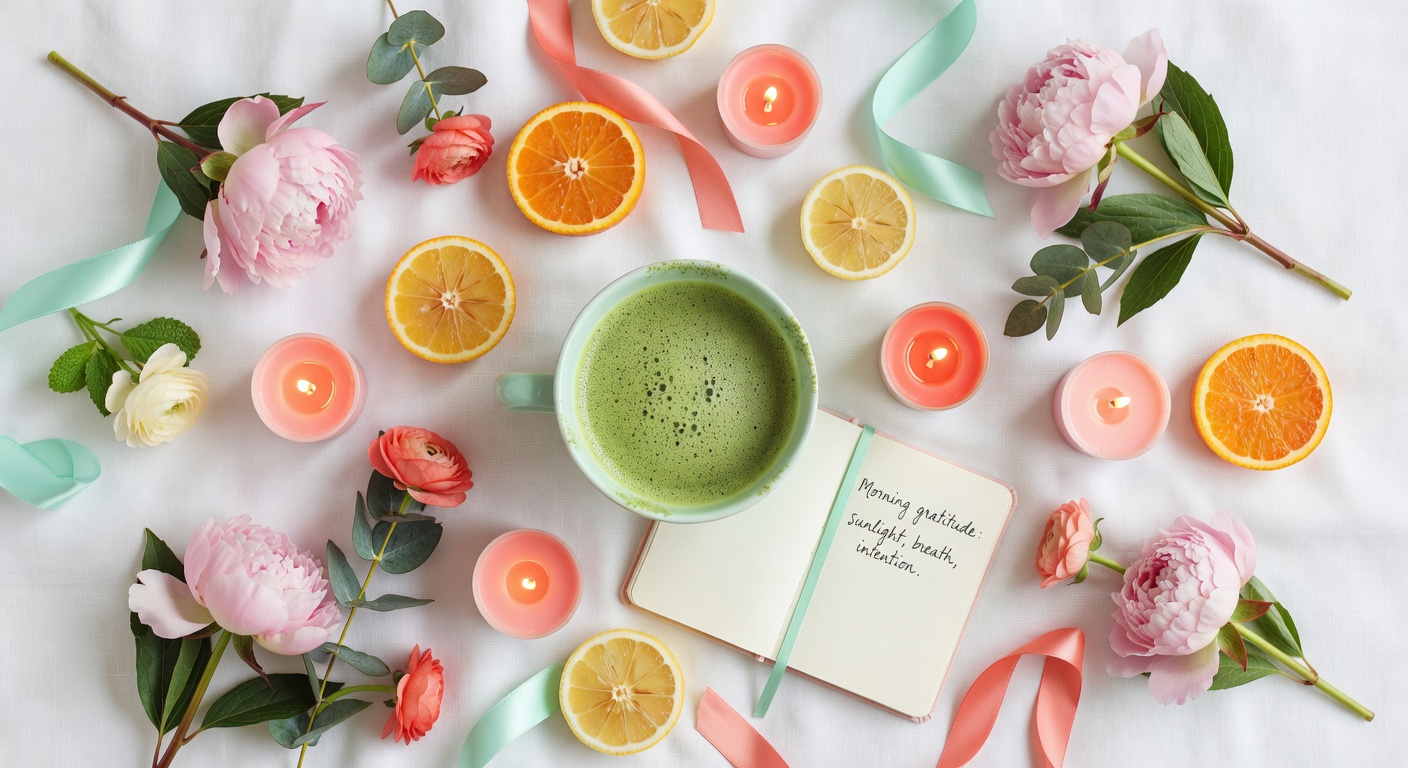
Joy rituals flat lay

You don't have time for a 90-minute morning routine. You don't have a quiet house at sunrise. You have, maybe, two minutes between things. Here's what the research and the lived experience both say: that's enough. The micro-ritual is the unsung hero of a good life.

Read More

The wellness industry has done you a strange disservice. By selling joy as a 5am routine that requires three different teas, journaling in two formats, cold plunges, sun exposure, and a gratitude meditation — all before your child wakes up — it has accidentally convinced most women that they have no time for joy at all. So they wait. For the holiday. For the empty house. For the mythical season of life when the calendar finally clears.

That season, of course, never arrives. And in the meantime, the small daily joys — the ones that actually shift mood, regulate the nervous system, and string the day together into something livable — go un-claimed. The good news is that the research keeps pointing to the same conclusion: tiny, repeated rituals are far more powerful than rare large ones. The thing you do for two minutes every day shapes you. The thing you do for two hours twice a year mostly does not.

What Counts as a Ritual

A ritual is not a routine. A routine is a sequence of tasks. A ritual is a small act done with attention, repeated often enough that the act and the meaning fuse together. Brushing your teeth is a routine. Brushing your teeth while looking out the window and noticing one thing about the morning is becoming a ritual. The difference is presence, not duration.

Here are seven that take roughly two minutes each. Pick one. Try it for a week. Do not try seven at once — that's a different kind of self-betrayal.

1. The First Sip

Your first hot drink of the day — coffee, matcha, tea, lemon water — consumed sitting down, with both hands wrapped around the cup, eyes not on a screen. Just two minutes. Watch the steam. Notice the temperature. Observe what your body actually feels in this exact moment. This is the simplest, lowest-friction nervous-system reset available, and most of us drink the most calming substance of our day while reading bad news.

2. The Five-Sense Doorway

Each time you cross a doorway today, name (silently) one thing you can see, hear, smell, touch, and taste in that exact second. It will take maybe ten seconds and it interrupts the autopilot that runs most of our day. The first few times feel forced. By day three it's pleasant. By day seven it's how you transition between rooms.

"The thing you do for two minutes every day shapes you. The thing you do for two hours twice a year mostly does not. Build for the daily."

3. The Three Specifics

At the end of the day, name three specific things from this day that were good. Not "my family." Not "my health." Specifics. The way the soup smelled. The exact joke a colleague made. The particular blue of the sky at 4:17pm. Specificity is the key to gratitude practice; without it, the brain skims and nothing lands. Two minutes, written or spoken into your phone, before bed.

4. The Movement Snack

Once a day — ideally in the afternoon slump — play one full song you love and move to it. Dance, stretch, walk in circles, do squats — it doesn't matter. The point is one song's worth of inhabiting your body on purpose. It changes hormones. It changes mood. It is harder to feel small after dancing, even alone in a kitchen, even badly.

5. The Window Minute

Once a day, stand at a window and just look out for sixty seconds. Don't problem-solve. Don't catch up on messages first. Don't even narrate it. Just look. The brain treats this as recovery; the eyes treat it as relief; the body slowly remembers there's a world outside whatever's currently on a screen. It's almost embarrassingly simple. It works almost embarrassingly well.

6. The Hand on Heart

Place one hand on the center of your chest. Take three slow breaths. Say (silently or aloud) something kind to yourself that you would say to a dear friend. That's it. Self-compassion research consistently shows that this kind of brief, regular self-soothing reduces cortisol, improves emotional regulation, and over time changes your default tone with yourself. Two minutes. Free. Always available.

7. The Light Goodbye

Once in the evening, mark the day's ending with a small symbolic act. Light a candle and blow it out. Close a journal. Step outside and look at the sky for thirty seconds. Anything that signals to your nervous system: this part is done now. The day doesn't end on its own — we end it. And ending it gently makes the next morning's beginning kinder.

The Real Secret

None of these rituals are special on their own. The magic is in the repetition. The first time you do the Five-Sense Doorway, you'll feel slightly silly. The fortieth time, you'll do it without thinking and feel calmer for it without knowing why. That's how rituals work. They install themselves into the architecture of your day, and slowly the architecture of your day starts to hold you up instead of grind you down.

Pick one. Just one. For one week. Tomorrow morning, when you make your first hot drink, sit with it for two minutes before doing anything else. That's all. That's the whole assignment. The rest of the radiance follows from very small choices like that one, repeated, until they become you.

Second Spring: Why Postmenopause Can Be the Most Liberated Years of Your Life

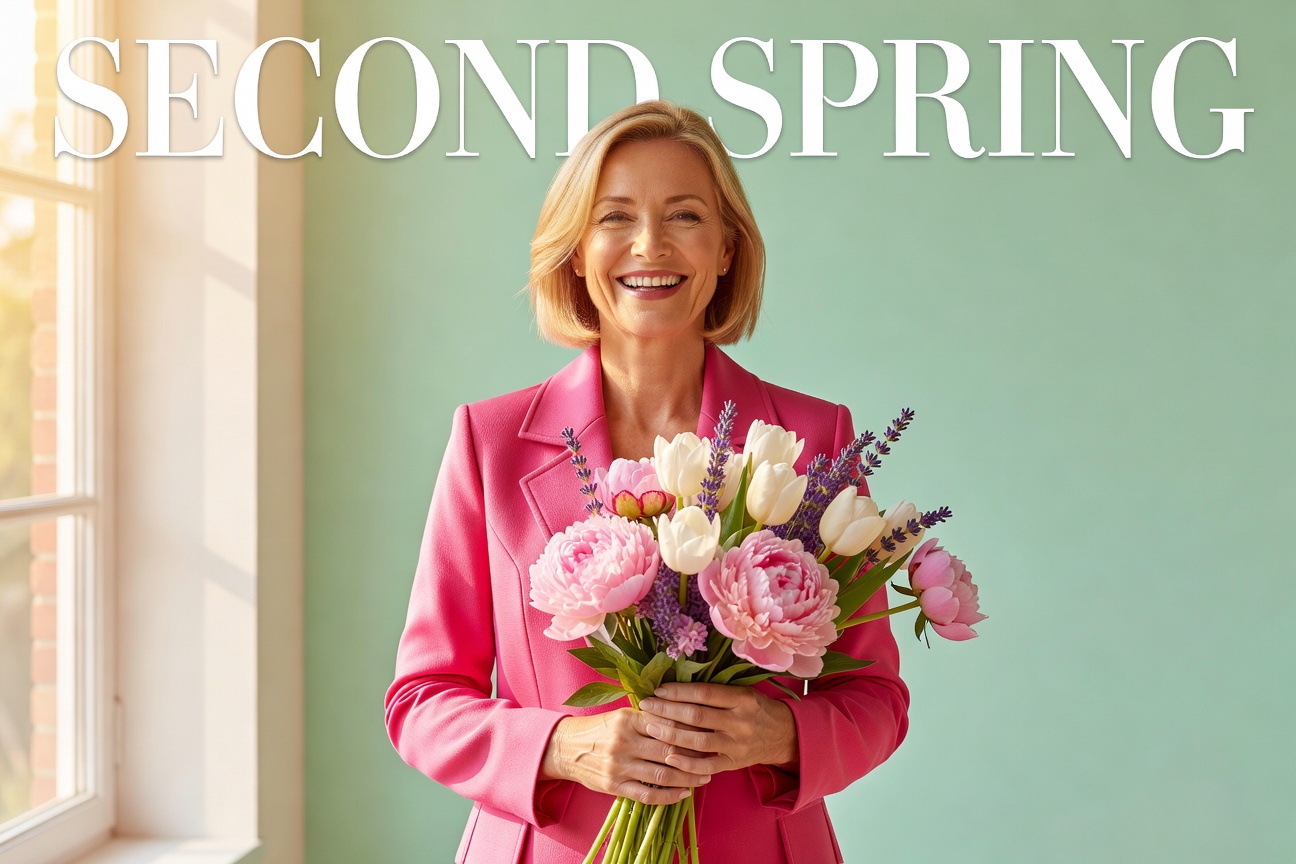
Vibrant woman in pink coat

In Traditional Chinese Medicine, the years after menopause are called Second Spring — not the end of vitality but a different bloom. The cultural Western story calls it decline. The lived experience of millions of women calls it freedom. Let's look at what's actually true.

Read More

If everything you know about menopause came from Western advertising, you'd be forgiven for thinking it's a slow-motion catastrophe. Hot flashes. Loss of libido. Dryness. Crepe-paper skin. Decline, decline, decline. The narrative has been shaped, for decades, by industries that profit from women feeling that their value ends when their fertility does.

The actual data tells a much more interesting story. Survey after survey of women in their late fifties, sixties, and seventies finds the same pattern: many of them are happier, more confident, less anxious, and more deeply settled in themselves than they were in their thirties or forties. This is not despite menopause. For many women, it is because of it.

The Term You Should Know

"Second Spring" is the rough translation of a term used in Traditional Chinese Medicine to describe the postmenopausal years. The framing is striking: not winter, not autumn — spring. A new bloom, with different soil. The body's reproductive energy, instead of being routed monthly into preparing for and recovering from a possible pregnancy, becomes available for other things. Creative work. Spiritual depth. Long-term health. Deep relationships. The self.

Western biomedicine doesn't disagree with this so much as it has historically not bothered to study it. Most menopause research, until very recently, focused on managing symptoms during perimenopause — not on what life actually looks like five, ten, twenty years past your last period. The few longitudinal studies we have suggest the picture is far more positive than the cultural script implies.

What Actually Settles

For many postmenopausal women, the most surprising gift is the absence of the monthly hormonal weather. No more PMS. No more cycle-driven mood crashes. No more bleeding. No more contraception logistics, no more pregnancy fears, no more navigating your sex life around your fertility window. The hormonal sea, after the storms of perimenopause, becomes calm.

Cognitively, this is enormously freeing. Many women report that they think more clearly, decide more decisively, and care less about other people's opinions in their sixties than they did in their thirties. This is not just folk wisdom — psychological research on aging consistently shows a peak in self-acceptance, emotional regulation, and life satisfaction in the postmenopausal years for most women.

"The hormonal sea, after the storms of perimenopause, becomes calm. The energy that used to go into preparing for life now becomes available for living it."

The Body Asks for Something New

None of this means the postmenopausal body is the same body. It's not. Estrogen's protective effects on bone, heart, and vaginal tissue are gone, and that has real consequences. But it also means that the things that take care of those tissues become enormously high-leverage practices.

Strength training is the single most evidence-backed intervention for postmenopausal health. Resistance work two or three times a week supports bone density, metabolic health, mood, sleep, and the ability to lift your own grandchildren or your own grocery bags well into your eighties. It is not optional. And contrary to the cultural script, it makes most women feel powerful, not frail.

Cardiovascular work matters more after menopause than before, because the protective effect of estrogen is gone and women's heart-disease risk catches up rapidly with men's. Daily walking, cycling, swimming — whatever you'll actually keep doing — is genuinely life-extending in this phase.

Vaginal health is treatable. Local estrogen, used appropriately, is safe and effective for the vast majority of women, and the silence around postmenopausal sexual health has cost millions of women decades of unnecessary discomfort. Talk to a knowledgeable doctor; don't suffer because the topic feels awkward.

The Cultural Quiet

Part of why menopause feels so isolating is that we don't see it. The film and television industry, until very recently, treated postmenopausal women largely as background characters — the wise mother, the eccentric aunt, the kindly neighbour. Almost never the protagonist of her own story, almost never the lover, almost never the powerful one.

This is changing, slowly, and the change matters. When you see women in their sixties at the height of their creative powers, leading companies, falling in love again, traveling solo, starting whole new careers — it gives shape to your own next chapter. Seek those women out. Read their books. Listen to their podcasts. Let your imagination of what's still ahead expand.

Permission Granted

One of the most striking things postmenopausal women report is a sudden, almost embarrassing surplus of energy that used to go into other people. Caretaking children, managing a partner's emotional state, keeping a household running, the relentless invisible labor of being the household's central nervous system — for many women, this load lightens at exactly the same time their hormonal load does. And the question becomes: what do I do with this returned energy?

The answer is whatever you want. Travel. Learn the language. Start the business. Leave the marriage that died years ago. Stay in the marriage that finally has room to breathe. Move countries. Take up the instrument. Write the book. The cultural script says you should be quietly winding down. Your body, oddly, is doing the opposite. It's quietly winding up — and asking what you're going to do with the second half.

Second Spring is real. It's just that almost no one told you it was coming.

The Abundance Audit: Spending Money in Ways That Actually Make You Happy

Abundance audit

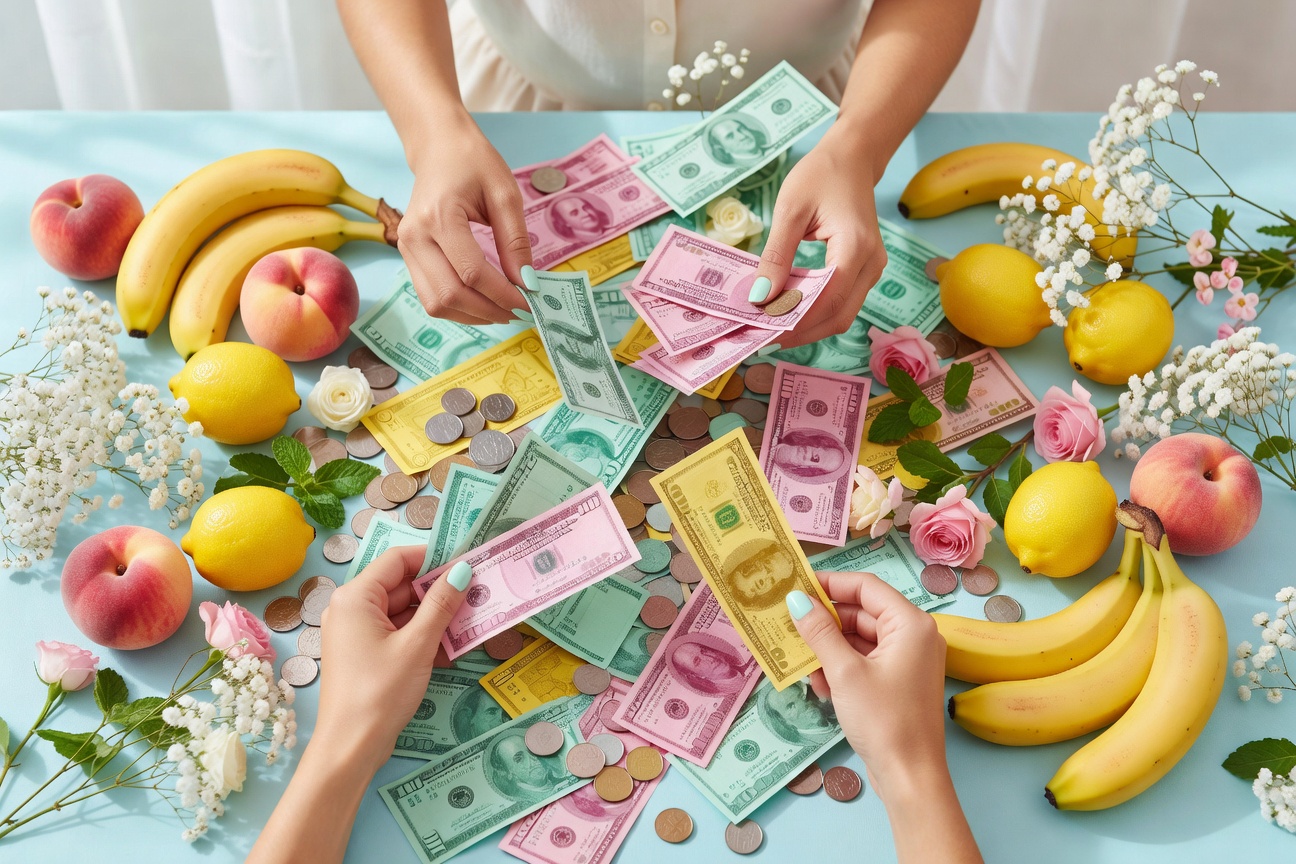
Everyone tells you how to spend less. Almost no one teaches you how to spend in a way that actually makes you happier. There's real research on this — and the results are almost the opposite of what the algorithm sells you.

Read More

The dominant financial advice for women is some version of: spend less, save more, invest the difference, retire safe. None of that is wrong. Compound interest is real, emergency funds are real, the gender pension gap is real. You should absolutely do those things.

But the conversation almost never includes the other side of the equation: how to actually use the money you do spend. And that's a strange omission, because there's a substantial body of research on the psychology of spending and happiness, and the findings are practical, repeatable, and honestly a bit countercultural. Most of us are spending money in ways that don't make us measurably happier — and quietly missing the spending categories that do.

This article is the abundance audit: a clearer way to look at the money that's already leaving your account, and a few small reroutes that tend to make a noticeable difference.

Experiences Beat Stuff — Almost Always

The single most replicated finding in the psychology-of-money literature is that experiential purchases (a meal out, a concert, a weekend away, a class) consistently produce more happiness than material purchases of comparable price. The reasons are well-studied: experiences become part of your identity, they're rarely directly compared to other people's, they get better in memory rather than worse over time, and they often involve other people, which itself is the strongest predictor of happiness in adult life.

This doesn't mean never buy things. It means: when you have a discretionary fifty euros, the dinner with a friend will reliably outperform another item from the wishlist. Look at last month's spending and ask: what percentage of my discretionary money went to experiences versus things? Most women find the answer surprises them.

Time-Saving Spending Buys Real Joy

Research from Harvard and elsewhere has consistently shown that spending money to save time — cleaning help, grocery delivery, paying someone to do a task you hate — produces an unusually high happiness return for the money spent. And yet most women resist this category, framing it as luxury or laziness, when the data suggests it's one of the smartest possible uses of discretionary income.

If you have any room in your budget, look hard at the recurring tasks that drain you. The two hours of grocery logistics each week. The deep clean you keep postponing. The tax paperwork that hangs over you for months. The cost of outsourcing one of these is often less than you think; the recovered time and mental space is almost always more valuable than you think.

"Spending money to save time isn't luxury. It's one of the most consistent, evidence-backed ways money translates into actual happiness. Stop apologizing for it."

Generosity Makes You Happier Than Self-Spending

This one surprises people. Multiple studies, including beautifully designed ones, have shown that giving money to others — even strangers — produces more happiness than spending the same amount on yourself. The effect appears across cultures and income levels. It's not a moral claim. It's a measurable one.

A small monthly amount given consistently to a cause you care about, or to a friend in a tight spot, or to someone whose work you admire, returns more than its dollar value in lasting satisfaction. Sponsoring a child, supporting a small charity, slipping a generous tip to someone who clearly needed it — the radiance of these moments sticks. Build a small generosity line into your budget. It's not a sacrifice. It's an investment in your own future-mood.

Anticipation Is Half the Joy

Booking a trip three months in advance produces more total happiness than booking it for next week, because the weeks of anticipation are themselves a form of pleasure. The same purchase, paid for upfront and looked forward to, delivers far more than the same purchase made on a credit-card whim and consumed immediately.

Build anticipation deliberately. The dinner with friends planned a fortnight out. The concert tickets booked for autumn. The class you sign up for in advance. You'll get the joy of the looking-forward and the joy of the event itself — two for the price of one.

Beware the Hedonic Treadmill

Material upgrades that you live with daily — a nicer car, a bigger TV, a better couch — tend to delight for a few weeks and then quietly become the new normal. Your brain is brutally efficient at adapting to baseline. This is the hedonic treadmill, and it's why so many people who upgrade their lives feel, six months later, exactly as they did before.

The exception is upgrades that genuinely reduce daily friction (a good mattress because you sleep on it every night, comfortable shoes if you walk a lot, a knife that actually works in a kitchen you cook in) — these tend to keep delivering. The trick is to spend on the things you use every day and to be cautious about prestige upgrades you'll adapt to within a season.

The Real Audit

Pull up your last full month of discretionary spending. Sort it into four buckets: experiences, time-saving, generosity, things. Don't judge. Just look. Then ask: which of these expenditures genuinely lit me up, even one week later? Which ones do I barely remember? Which categories are completely missing?

This isn't about spending more. It's about spending differently — rerouting the same money toward the categories that the research, and your own quiet honesty, both confirm produce more lasting joy. Abundance, it turns out, isn't really about how much you have. It's about how much of what you have is genuinely metabolized into a life that feels good to live.

That's the audit worth doing. And no spreadsheet required for the most important question: when did you last spend money on something that's still making you smile?